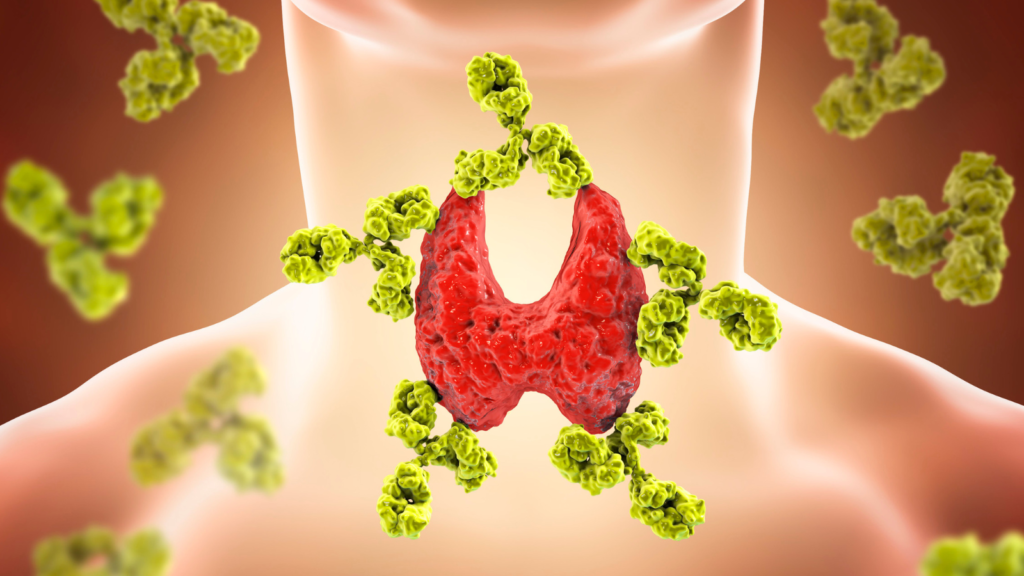
The thyroid is a butterfly-shaped gland located in the front of the neck, just below the Adam’s apple. It is an essential part of the endocrine system, which produces hormones that regulate various bodily functions, including metabolism, growth, and development.
Thyroid disease refers to any medical condition or disorder that affects the structure or function of the thyroid gland, resulting in abnormal levels of thyroid hormones or other related issues. There are several types of thyroid diseases, including:
Hypothyroidism
This condition occurs when the thyroid gland does not produce enough thyroid hormones, leading to a slowdown in bodily functions. Common symptoms of hypothyroidism include fatigue, weight gain, cold intolerance, dry skin, constipation, and depression. Hashimoto’s thyroiditis, an autoimmune disorder, is the most common cause of hypothyroidism in the United States.
Hyperthyroidism
Hyperthyroidism is the opposite of hypothyroidism—it occurs when the thyroid gland produces an excess of thyroid hormones. Symptoms of hyperthyroidism may include weight loss, rapid heartbeat, heat intolerance, tremors, anxiety, and difficulty sleeping. Graves’ disease, an autoimmune condition, is the most common cause of hyperthyroidism.
Thyroid Nodules
Thyroid nodules are abnormal growths or lumps that form within the thyroid gland. While many nodules are benign (non-cancerous), some can be malignant (cancerous). Most thyroid nodules do not cause symptoms and are discovered incidentally during a physical examination or imaging tests. However, large or cancerous nodules may cause symptoms such as difficulty swallowing, hoarseness, or neck swelling.
Thyroiditis
Thyroiditis refers to inflammation of the thyroid gland, which can be caused by various factors, including autoimmune disorders, infections, medications, or radiation therapy. Depending on the cause, thyroiditis may result in temporary hyperthyroidism (due to the release of stored thyroid hormones), followed by hypothyroidism as the thyroid gland becomes depleted of hormones.
Thyroid Cancer
Thyroid cancer is relatively rare but can occur when abnormal cells within the thyroid gland begin to grow uncontrollably. Most cases of thyroid cancer have a favorable prognosis when diagnosed and treated early. Common types of thyroid cancer include papillary thyroid carcinoma, follicular thyroid carcinoma, medullary thyroid carcinoma, and anaplastic thyroid carcinoma.
What are the symptoms of thyroid disease?
Thyroid disease can manifest with a variety of symptoms, depending on the specific condition and whether it involves hypothyroidism (low thyroid hormone levels), hyperthyroidism (high thyroid hormone levels), thyroid nodules, thyroiditis, or thyroid cancer. Here are some common symptoms associated with thyroid disease:
Fatigue
Feeling tired, sluggish, or lacking energy is a common symptom of both hypothyroidism and hyperthyroidism.
Weight Changes
Unexplained weight gain may occur in hypothyroidism, while unexplained weight loss may occur in hyperthyroidism.
Changes in Appetite
Hypothyroidism may cause increased appetite, while hyperthyroidism may cause decreased appetite.
Cold Intolerance
Feeling excessively cold or having cold hands and feet can be a symptom of hypothyroidism.
Irregular Heartbeat
Palpitations, rapid heartbeat (tachycardia), or irregular heart rhythm (arrhythmia) may occur in hyperthyroidism.
Mood Changes
Depression, anxiety, irritability, and mood swings can occur in both hypo- and hyperthyroidism.
Menstrual Changes
Irregular menstrual periods, heavy menstrual bleeding, or changes in menstrual flow may occur in thyroid disorders.
What are thesymptoms of Thyroid?
Thyroid disease can have various causes, depending on the specific condition. Some of the common causes of thyroid disease include:
Autoimmune Disorders
Autoimmune disorders, where the immune system mistakenly attacks the thyroid gland, are among the most common causes of thyroid disease.
Iodine Deficiency or Excess
Iodine is essential for the production of thyroid hormones. Both iodine deficiency and excess iodine intake can disrupt thyroid function and lead to thyroid disease. Iodine deficiency is rare in regions with sufficient dietary iodine but can still occur in certain populations. Excessive iodine intake, often from supplements or medications, can also affect thyroid function.
Thyroid Nodules
Thyroid nodules are abnormal growths or lumps within the thyroid gland. The exact cause of thyroid nodules is often unknown, but they may result from benign or malignant tumors, inflammation, or overgrowth of thyroid tissue. Some risk factors for thyroid nodules include radiation exposure, family history, and iodine deficiency.
Thyroiditis
Thyroiditis refers to inflammation of the thyroid gland, which can have various causes, including autoimmune disorders (e.g., Hashimoto’s thyroiditis, Graves’ disease), viral or bacterial infections, medications (e.g., interferon, amiodarone), and radiation therapy.
Genetic Factors
Genetic predisposition may play a role in certain thyroid disorders, such as autoimmune thyroid diseases, thyroid cancer, and familial forms of thyroid nodules.
Thyroid Cancer
Thyroid cancer can develop when abnormal cells within the thyroid gland grow uncontrollably. While the exact causes of thyroid cancer are not always clear, factors such as radiation exposure (especially during childhood), family history of thyroid cancer, and certain genetic mutations may increase the risk.
Pregnancy
Pregnancy-related factors can sometimes lead to thyroid disorders, such as postpartum thyroiditis or gestational hyperthyroidism. These conditions may occur due to hormonal changes during pregnancy or autoimmune mechanisms.
Medications and Treatments
Certain medications, such as lithium, amiodarone, and interferon, can affect thyroid function and contribute to thyroid disease. Additionally, radiation therapy to the head, neck, or chest area can increase the risk of developing thyroid nodules or thyroid cancer.
Get An Appointment
Just make an appointment to get help from our experts