
What is Parkinson?
Parkinson’s disease (PD) is a progressive neurological disorder that primarily affects movement. It is characterized by a gradual loss of dopamine-producing neurons in the brain, particularly in a region called the substantia nigra. Dopamine is a neurotransmitter that plays a key role in regulating movement, mood, and cognition.
Type of Parkinson?
Parkinson’s disease (PD) is generally classified into two main types based on its cause and progression: idiopathic Parkinson’s disease and secondary Parkinsonism. Here’s an overview of each type:
Idiopathic Parkinson's Disease (IPD)
- Idiopathic Parkinson’s disease is the most common form of Parkinson’s disease, accounting for the majority of cases. “Idiopathic” means that the cause of the disease is unknown.
- IPD typically develops gradually over time, and its exact cause is thought to involve a combination of genetic, environmental, and age-related factors.
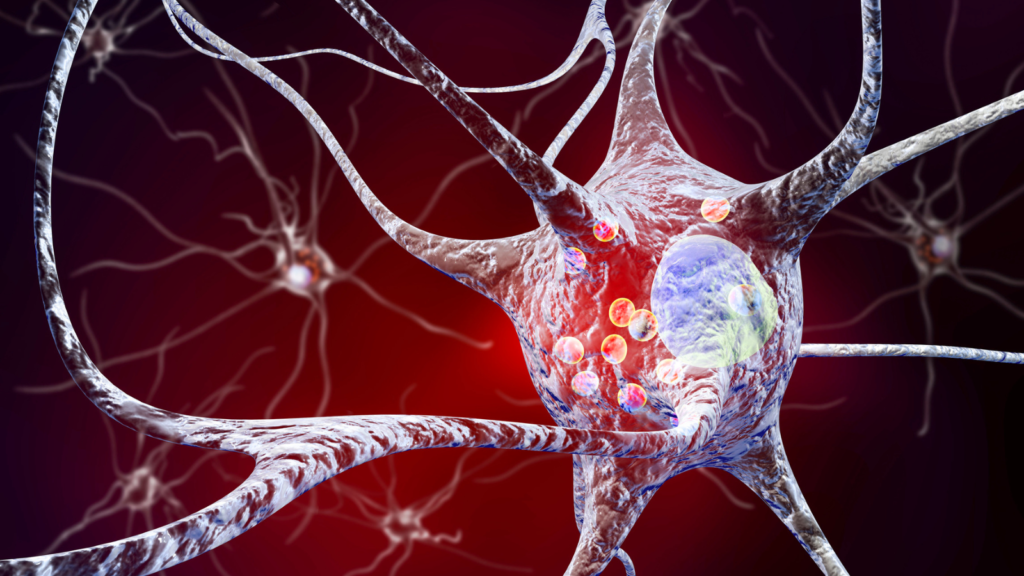
- The hallmark features of idiopathic Parkinson’s disease include the presence of Lewy bodies—abnormal protein deposits—in the brain, particularly in the substantia nigra, which leads to the loss of dopamine-producing neurons.
- Symptoms of idiopathic Parkinson’s disease include tremors, bradykinesia (slowness of movement), rigidity, and postural instability, as well as non-motor symptoms such as sleep disturbances, mood changes, and cognitive impairment.
- Treatment for idiopathic Parkinson’s disease primarily focuses on managing symptoms through medications, physical therapy, and lifestyle modifications.
Secondary Parkinsonism
- Secondary Parkinsonism refers to a group of conditions that present with Parkinson’s disease-like symptoms but are caused by underlying factors other than idiopathic Parkinson’s disease.
- Secondary Parkinsonism can result from various factors, including certain medications, head trauma, brain tumors, vascular diseases, infections, and other neurological disorders.
- Unlike idiopathic Parkinson’s disease, secondary Parkinsonism may develop suddenly and progress more rapidly, depending on the underlying cause.
- Treatment for secondary Parkinsonism involves addressing the underlying cause whenever possible. This may include discontinuing medications that worsen symptoms, treating infections or vascular conditions, or managing other neurological disorders.
What Causes Parkinson?
Parkinson’s disease (PD) is a complex neurological disorder with a multifactorial etiology, meaning that it is caused by a combination of genetic, environmental, and age-related factors. While the exact cause of Parkinson’s disease is not fully understood, researchers have identified several factors that may contribute to its development:
Genetic Factors
There is evidence to suggest that genetic predisposition plays a role in the development of Parkinson’s disease. Certain genetic mutations and variations have been associated with an increased risk of Parkinson’s disease. However, genetic factors are thought to contribute to only a small percentage of cases of Parkinson’s disease, with most cases being sporadic (i.e., not directly inherited).
Environmental Factors
Exposure to certain environmental toxins and pollutants may increase the risk of developing Parkinson’s disease. Some studies have suggested a link between pesticides, herbicides, industrial chemicals, and heavy metals (such as manganese and lead) and an increased risk of Parkinson’s disease. However, more research is needed to fully understand the role of environmental factors in Parkinson’s disease.
Age
Age is the most significant risk factor for Parkinson’s disease. The incidence of Parkinson’s disease increases with age, with the majority of cases occurring in individuals over the age of 60. It is believed that age-related changes in the brain’s structure and function may contribute to the development of Parkinson’s disease.
Lewy Body Formation
Parkinson’s disease is characterized by the presence of abnormal protein deposits called Lewy bodies in certain areas of the brain, particularly in the substantia nigra. These protein aggregates are primarily composed of alpha-synuclein, and their formation is believed to play a key role in the degeneration of dopamine-producing neurons and the development of Parkinson’s disease. However, the exact triggers for Lewy body formation and their contribution to the pathogenesis of Parkinson’s disease are still not fully understood.
Neuroinflammation
Inflammation in the brain, known as neuroinflammation, has been implicated in the progression of Parkinson’s disease. Chronic inflammation may contribute to the degeneration of dopamine-producing neurons and the development of Parkinson’s disease symptoms.
Mitochondrial Dysfunction
Dysfunction of the mitochondria, the energy-producing organelles within cells, has been suggested as a potential contributor to the development of Parkinson’s disease. Mitochondrial dysfunction may lead to oxidative stress, impaired energy production, and neuronal damage.
What are the symptoms of Parkinson?
Parkinson’s disease (PD) is characterized by a range of motor and non-motor symptoms that can vary in severity and progression from person to person. The primary motor symptoms of Parkinson’s disease include:
Tremor
Tremor is one of the most recognizable symptoms of Parkinson’s disease. It often begins in one hand or arm and typically appears as a rhythmic, resting tremor. The tremor may also affect other parts of the body, such as the legs, chin, or lips.
Bradykinesia
Bradykinesia refers to slowness of movement and difficulty initiating and executing voluntary movements. People with Parkinson’s disease may experience a gradual reduction in the speed and amplitude of movements, leading to a general sense of sluggishness and decreased dexterity.
Muscle Rigidity
Muscle rigidity, or stiffness, is common in Parkinson’s disease and can affect any part of the body. It often presents as increased resistance to passive movement, making it difficult for individuals to move their limbs smoothly.
Postural Instability
Postural instability refers to impaired balance and coordination, which can increase the risk of falls. Individuals with Parkinson’s disease may have difficulty maintaining an upright posture and may experience a stooped or hunched posture.
In addition to these primary motor symptoms, Parkinson’s disease can also cause a variety of non-motor symptoms, which may include:
Sleep Disturbances
Many people with Parkinson’s disease experience sleep disturbances, including difficulty falling asleep, frequent nighttime awakenings, restless legs syndrome, and rapid eye movement (REM) sleep behavior disorder.
Cognitive Changes
Parkinson’s disease can affect cognitive function, leading to problems with memory, attention, executive function, and visuospatial skills. In some cases, cognitive changes may progress to dementia in the later stages of the disease.
Autonomic Dysfunction
Autonomic dysfunction refers to problems with the autonomic nervous system, which controls involuntary bodily functions such as blood pressure regulation, digestion, and bladder control. Symptoms may include constipation, urinary urgency or incontinence, orthostatic hypotension (low blood pressure upon standing), and excessive sweating.
Mood and Behavioral Changes
Parkinson’s disease can affect mood and behavior, leading to symptoms such as depression, anxiety, apathy, irritability, and impulsive or compulsive behaviors.
Speech and Swallowing Difficulties
Parkinson’s disease can affect speech and swallowing function, leading to changes in voice volume, articulation, and clarity, as well as swallowing difficulties (dysphagia).