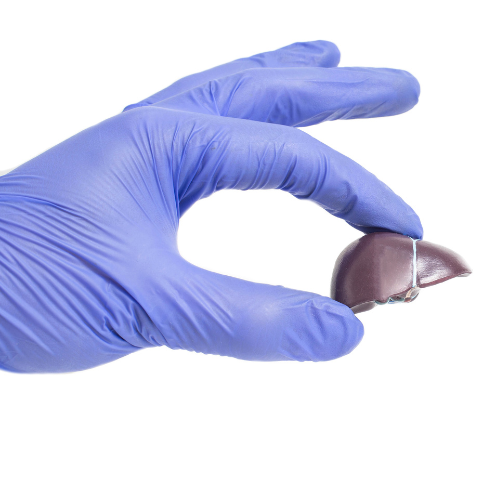
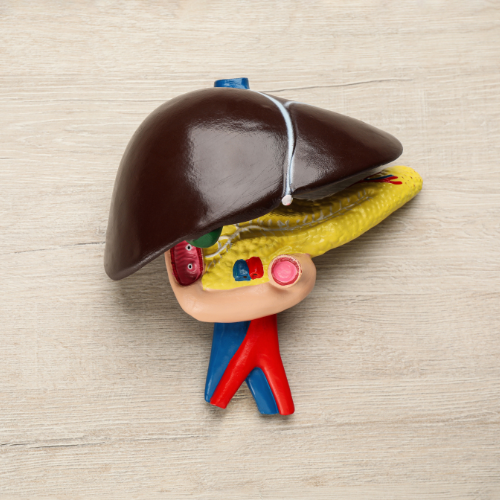
The liver is a vital organ in the human body, located in the upper right abdomen, just below the diaphragm and above the stomach. It is one of the largest organs and performs numerous important functions essential for maintaining overall health. It’s also a gland because it makes proteins and hormones that other parts of the body need.
What are the functions of liver?
Disorders or diseases affecting the liver can have profound effects on bodily functions and can be life-threatening if left untreated. Some common liver conditions include hepatitis, fatty liver disease, cirrhosis, and liver cancer.
1. Metabolism
The liver plays a central role in metabolism, breaking down carbohydrates, fats, and proteins into forms that the body can use for energy. It also helps regulate glucose levels in the blood.
2. Detoxification
It filters toxins and harmful substances from the bloodstream, including drugs, alcohol, and metabolic waste products. These substances are either metabolized for elimination or converted into less harmful compounds.
3. Bile Production
The liver produces bile, a greenish-yellow fluid that aids in digestion by emulsifying fats and facilitating their absorption in the small intestine.
4. Storage
The liver serves as a storage site for important nutrients, such as vitamins (A, D, E, K), minerals (iron and copper), and glycogen (a form of stored glucose). It releases these substances into the bloodstream as needed.
5. Synthesis
It synthesizes various proteins necessary for blood clotting (e.g., fibrinogen), immune function (e.g., albumin), and other physiological processes.
6. Regulation of cholesterol
The liver helps regulate cholesterol levels in the blood by producing cholesterol and removing excess cholesterol from the body.
7. Immune Function
The liver contains immune cells (Kupffer cells) that help protect the body from infections and remove bacteria and foreign particles from the bloodstream.
What are the symptoms of liver disease?
Liver disease can manifest with a variety of symptoms, depending on the specific condition and its severity. Some common symptoms of liver disease include:
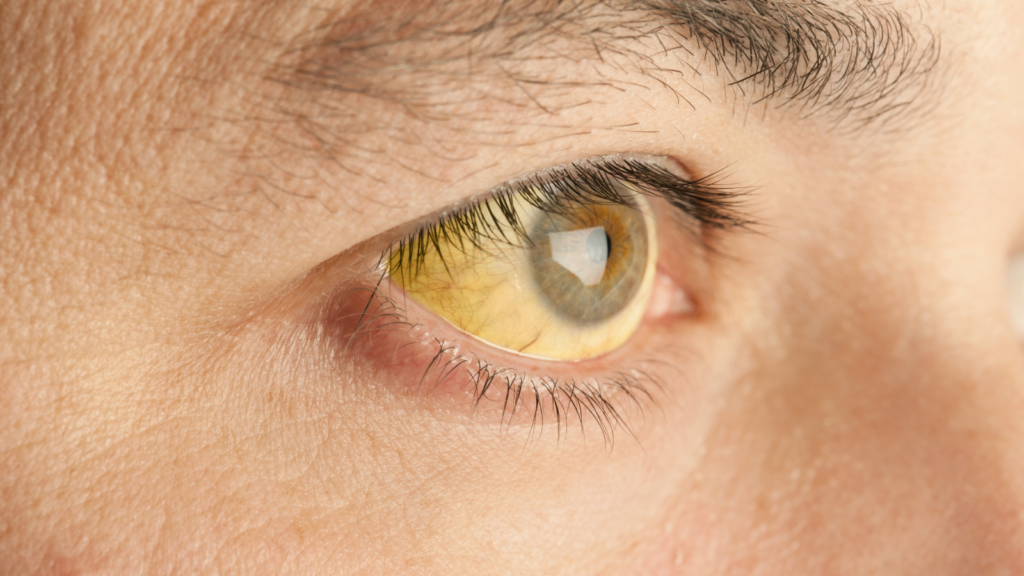
1. Jaundice
Yellowing of the skin and eyes due to elevated levels of bilirubin, a pigment produced during the breakdown of red blood cells. Jaundice is often a prominent sign of liver dysfunction.
2. Fatigue
Persistent tiredness or weakness, which can be a result of decreased energy production by the liver or general malaise associated with liver disease.
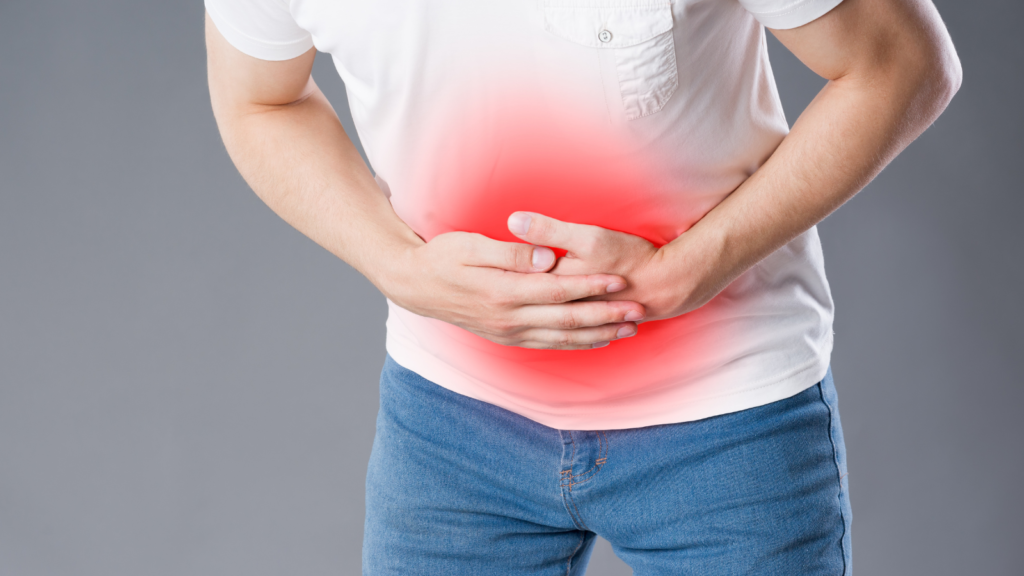
3. Abdominal Pain and Swelling
Discomfort or pain in the upper right abdomen, where the liver is located. Swelling or bloating in the abdomen can also occur due to fluid retention (ascites).
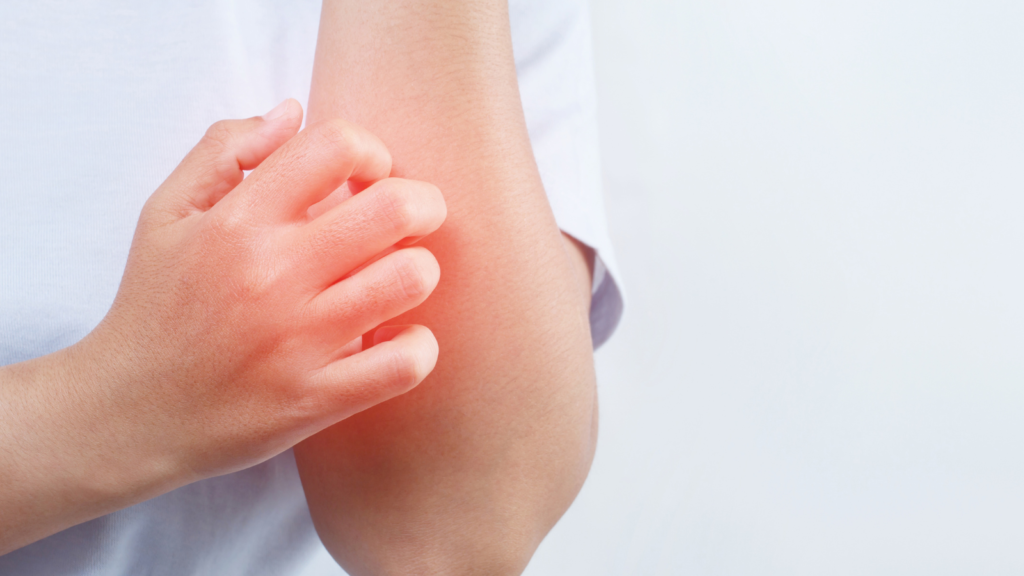
4. Itchy Skin
Pruritus, or itching of the skin, can occur due to the accumulation of bile salts in the bloodstream, leading to irritation of the skin.
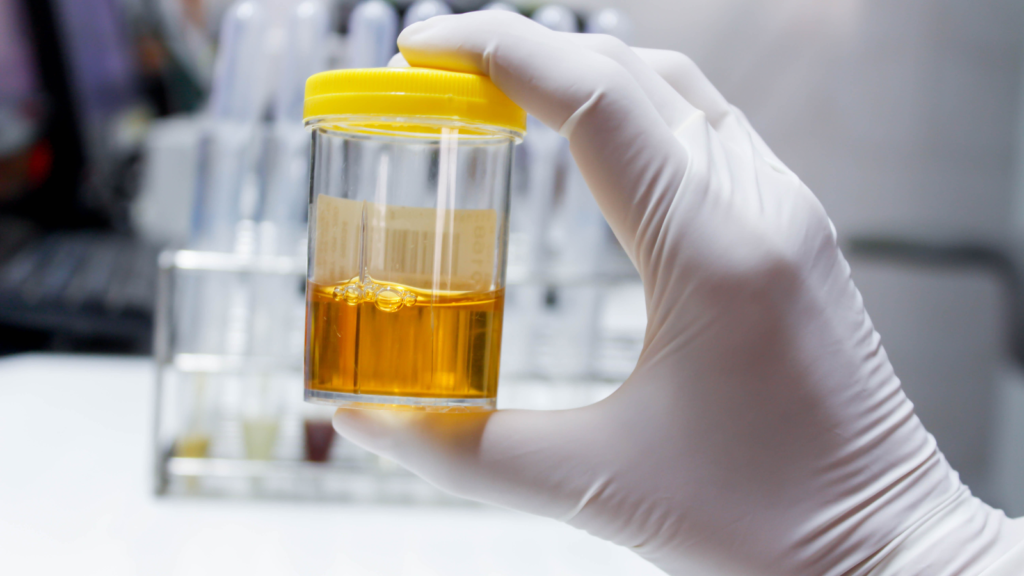
5. Dark Urine
Urine may appear darker than usual, often with a brownish tint, due to the presence of bilirubin.
6. Pale Stools
Stools may become lighter in color due to a lack of bilirubin reaching the intestines, which normally gives stool its brown color.
7. Nausea and Vomiting
Digestive disturbances such as nausea and vomiting can occur, especially if bile flow is disrupted.
8. Loss of Appetite
Decreased appetite and unintended weight loss are common symptoms of liver disease.
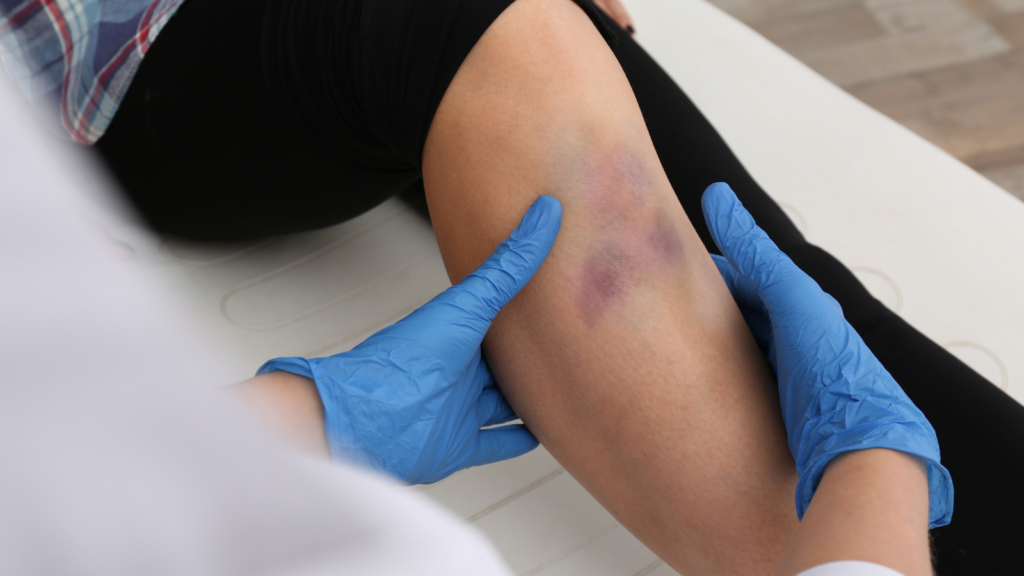
9. Easy Bruising and Bleeding
Impaired liver function can lead to decreased production of clotting factors, resulting in easy bruising and prolonged bleeding from minor injuries.
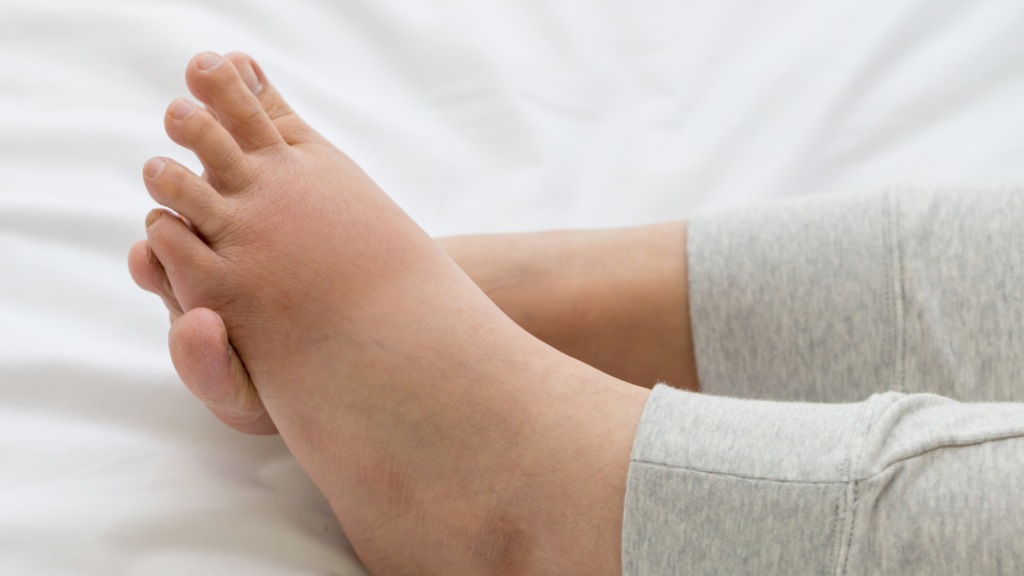
10. Swelling in the Legs and Ankles
Edema, or fluid retention, can lead to swelling in the lower extremities due to decreased liver function and impaired regulation of fluid balance.
11. Confusion or Mental Changes
In more severe cases of liver disease, hepatic encephalopathy can occur, leading to confusion, difficulty concentrating, personality changes, and even coma.
What are the Causes of liver disease?
Liver disease can be caused by a wide range of factors, including:
1. Viral Infections
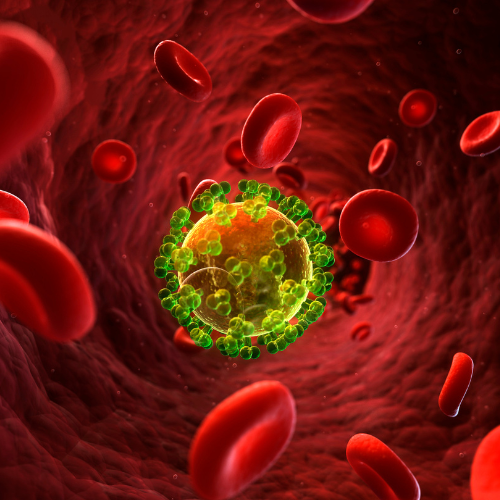
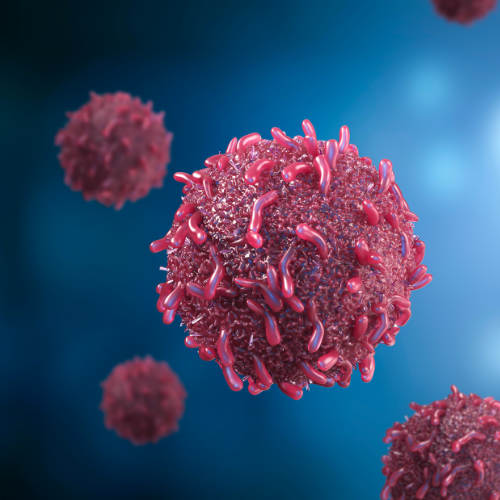
Hepatitis viruses, including hepatitis A, B, C, D, and E, can cause inflammation of the liver (hepatitis), leading to liver damage and potential long-term complications such as cirrhosis and liver cancer.
2. Confusion or Mental Changes
Excessive and prolonged alcohol consumption can lead to alcoholic liver disease, which encompasses a spectrum of liver conditions, including fatty liver, alcoholic hepatitis, fibrosis, and cirrhosis.
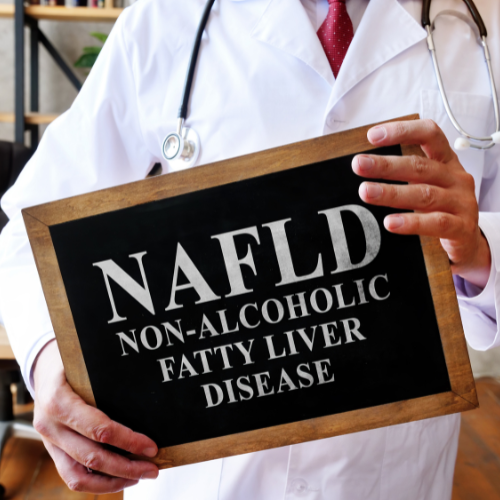
3. Non-alcoholic Fatty Liver Disease (NAFLD)
Accumulation of fat in the liver, not related to alcohol consumption, is known as NAFLD. It is often associated with obesity, insulin resistance, type 2 diabetes, high cholesterol, and metabolic syndrome.
4. Autoimmune Hepatitis
This is a chronic inflammatory liver disease in which the body’s immune system mistakenly attacks the liver, leading to inflammation, liver damage, and eventually cirrhosis if left untreated.
5. Genetic Disorders
Certain genetic mutations or conditions can predispose individuals to liver diseases, such as hemochromatosis (excessive iron accumulation in the liver), Wilson’s disease (excessive copper accumulation), alpha-1 antitrypsin deficiency, and others.
6. Medications and Toxins
Certain medications, including over-the-counter drugs, prescription medications, and herbal supplements, can cause liver damage if taken in high doses or over a prolonged period. Additionally, exposure to toxins such as industrial chemicals, pesticides, and certain mushrooms can also harm the liver.
7. Biliary Tract Disorders
Conditions affecting the bile ducts, such as bile duct obstruction, primary biliary cholangitis, and primary sclerosing cholangitis, can lead to liver damage and inflammation.
8. Chronic Diseases
Chronic diseases such as diabetes, hypertension, and cardiovascular disease can contribute to liver damage and increase the risk of developing liver conditions.
9. Malnutrition
Severe malnutrition, including protein deficiency, can impair liver function and lead to liver disease.
10. Cancer
Liver cancer can develop as a primary cancer originating in the liver (hepatocellular carcinoma) or as metastatic cancer spread from other parts of the body.
Get An Appointment
Just make an appointment to get help from our experts