
What is Heart?
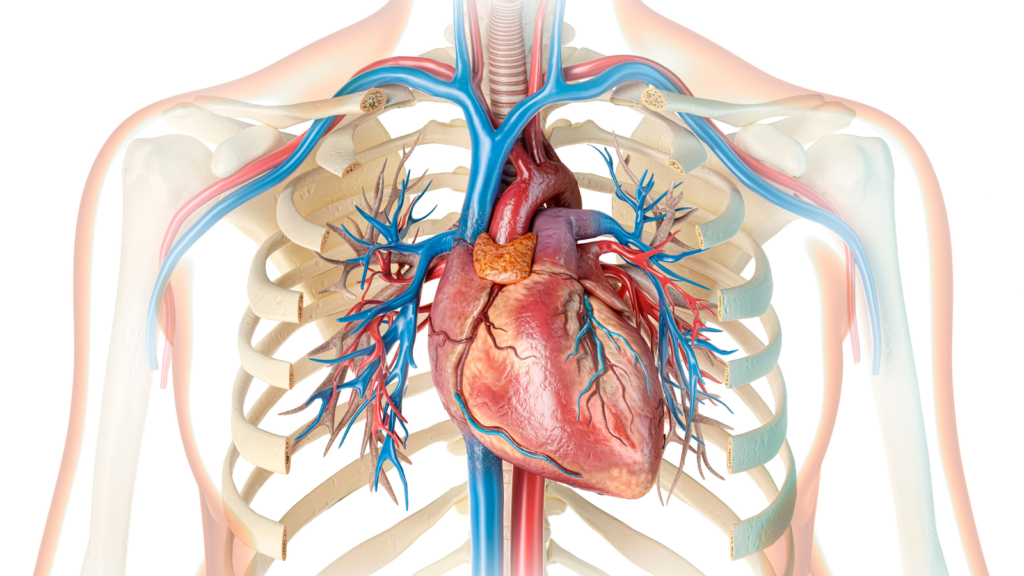
The heart is a muscular organ located in the chest cavity slightly left of the midline. It is responsible for pumping blood throughout the body, delivering oxygen and nutrients to tissues and organs while removing waste products. The heart plays a vital role in the circulatory system, which is essential for maintaining the body’s overall function and survival.
Type of heart disease?
Heart disease refers to a range of conditions that affect the heart, its blood vessels, and its ability to function properly. There are several types of heart disease, each with its own causes, symptoms, and treatments. Some common types of heart disease include
Coronary Artery Disease (CAD)
Coronary artery disease occurs when the coronary arteries, which supply oxygen-rich blood to the heart muscle, become narrowed or blocked by a buildup of plaque (atherosclerosis). This can lead to chest pain (angina), heart attack (myocardial infarction), or other complications.
Heart Attack (Myocardial Infarction)
A heart attack occurs when blood flow to a part of the heart muscle is blocked, usually by a blood clot in a coronary artery. This can cause damage to the heart muscle and may lead to symptoms such as chest pain, shortness of breath, nausea, sweating, and discomfort in the arms, back, neck, or jaw.
Heart Failure
Heart failure, also known as congestive heart failure, occurs when the heart is unable to pump enough blood to meet the body’s needs. This can lead to symptoms such as shortness of breath, fatigue, swelling in the legs or abdomen, and difficulty performing normal activities.
Arrhythmias
Arrhythmias are abnormal heart rhythms that can cause the heart to beat too fast (tachycardia), too slow (bradycardia), or irregularly. Arrhythmias may occur due to various factors, including abnormalities in the heart’s electrical conduction system, heart disease, electrolyte imbalances, or other underlying conditions.
Heart Valve Disease
Heart valve disease occurs when the valves of the heart, which control the flow of blood through the heart chambers, become damaged or dysfunctional. This can lead to conditions such as valve stenosis (narrowing) or valve regurgitation (leakage), affecting blood flow and heart function.
Cardiomyopathy
Cardiomyopathy is a disease of the heart muscle that affects its structure and function. There are several types of cardiomyopathy, including dilated cardiomyopathy, hypertrophic cardiomyopathy, and restrictive cardiomyopathy, each with its own causes and characteristics.
Peripheral Artery Disease (PAD)
Peripheral artery disease occurs when the arteries that supply blood to the limbs become narrowed or blocked by a buildup of plaque. This can lead to symptoms such as leg pain, numbness, weakness, and poor wound healing.
Congenital Heart Defects
Congenital heart defects are structural abnormalities of the heart that are present at birth. These defects can affect the heart’s chambers, valves, or blood vessels, leading to abnormal blood flow and affecting heart function.
Rheumatic Heart Disease
Rheumatic heart disease is a complication of rheumatic fever, an inflammatory condition caused by untreated streptococcal infections. Rheumatic heart disease can cause damage to the heart valves, leading to valve stenosis or regurgitation.
Inflammatory Heart Disease
Inflammatory heart diseases, such as myocarditis or pericarditis, occur when the heart muscle or the sac surrounding the heart becomes inflamed. This can be caused by infections, autoimmune disorders, or other factors.
what are the symptoms of heart disease?
Symptoms of heart disease can vary depending on the specific type of condition and its severity. Some common symptoms of heart disease include:
Chest Pain or Discomfort (Angina)
Chest pain or discomfort is a common symptom of coronary artery disease (CAD) and may occur during physical activity or emotional stress. The pain may feel like pressure, squeezing, tightness, or heaviness in the chest and may radiate to the arms, shoulders, back, neck, or jaw. Angina may be triggered by exertion and relieved by rest or medication.
Shortness of Breath
Shortness of breath, also known as dyspnea, can occur with various types of heart disease, including heart failure, coronary artery disease, or heart valve disease. It may be experienced during physical activity or at rest and may worsen with exertion or lying flat.
Fatigue
Persistent fatigue or weakness may be a symptom of heart disease, particularly heart failure. This fatigue may be unrelated to physical activity and may interfere with daily activities.
Palpitations
Palpitations are sensations of rapid, fluttering, or irregular heartbeat and may be felt as if the heart is pounding, racing, or skipping beats. Palpitations can occur with arrhythmias, such as atrial fibrillation or ventricular tachycardia.
Swelling
Swelling (edema) may occur in the legs, ankles, feet, or abdomen, particularly in individuals with heart failure. Swelling may be caused by fluid retention due to poor heart function.
Dizziness or Lightheadedness
Dizziness, lightheadedness, or fainting (syncope) may occur with certain types of heart disease, particularly arrhythmias or heart valve disorders. These symptoms may be related to inadequate blood flow to the brain.
Dizziness or Lightheadedness
Dizziness, lightheadedness, or fainting (syncope) may occur with certain types of heart disease, particularly arrhythmias or heart valve disorders. These symptoms may be related to inadequate blood flow to the brain.
Nausea or Vomiting
Nausea, vomiting, or abdominal discomfort may occur with heart attack or other types of heart disease, particularly in women and older adults.
Sweating
Excessive sweating, particularly cold sweats, may occur with heart attack or other types of heart disease, often accompanied by chest pain or discomfort.
Jaw, Neck, or Back Pain
Pain or discomfort in the jaw, neck, or back may occur with heart attack, particularly in women. These symptoms may occur in addition to or instead of chest pain.
Sleep Disturbances
Sleep disturbances, such as difficulty falling asleep or waking up short of breath (paroxysmal nocturnal dyspnea), may occur with heart failure or other types of heart disease.
what are the causes of heart disease?
Heart disease can have various causes, many of which are related to lifestyle factors, medical conditions, or genetic predisposition. Some common causes of heart disease include:
Atherosclerosis
Atherosclerosis is a condition characterized by the buildup of plaque (composed of cholesterol, fat, calcium, and other substances) in the walls of arteries. Over time, plaque can narrow or block the arteries, reducing blood flow to the heart muscle (coronary artery disease) or other parts of the body (peripheral artery disease).
Hypertension (High Blood Pressure)
High blood pressure can damage the arteries and increase the risk of atherosclerosis, heart attack, stroke, and other cardiovascular complications. Uncontrolled hypertension can strain the heart and lead to heart failure over time.
Hyperlipidemia (High Cholesterol)
Elevated levels of cholesterol, particularly low-density lipoprotein (LDL) cholesterol (“bad” cholesterol), can contribute to the development of atherosclerosis and increase the risk of heart disease.
Diabetes
Diabetes, particularly type 2 diabetes, is associated with insulin resistance, hyperglycemia (high blood sugar levels), and an increased risk of atherosclerosis, heart attack, and stroke. Poorly controlled diabetes can also damage blood vessels and nerves, leading to peripheral artery disease and diabetic cardiomyopathy (heart muscle disease).
Obesity
Obesity is a significant risk factor for heart disease, as it is associated with hypertension, dyslipidemia, insulin resistance, inflammation, and other metabolic abnormalities that increase cardiovascular risk.
Smoking
Cigarette smoking is a major risk factor for heart disease, as it can damage blood vessels, promote atherosclerosis, increase blood pressure and heart rate, reduce oxygen delivery to tissues, and raise the risk of heart attack and stroke.
Physical Inactivity
Lack of regular physical activity is associated with obesity, hypertension, dyslipidemia, insulin resistance, and other cardiovascular risk factors. Regular exercise is important for maintaining heart health and reducing the risk of heart disease.
Unhealthy Diet
A diet high in saturated fats, trans fats, cholesterol, sodium, and refined sugars can contribute to the development of atherosclerosis, hypertension, obesity, and other cardiovascular risk factors. Conversely, a diet rich in fruits, vegetables, whole grains, lean proteins, and healthy fats can help prevent heart disease.
Stress
Chronic stress, anxiety, and depression can contribute to heart disease by promoting unhealthy behaviors (such as overeating, smoking, or excessive alcohol consumption), increasing blood pressure and heart rate, and triggering inflammation and other physiological responses that can damage the heart and blood vessels.
Family History
Genetic factors can play a role in the development of heart disease. Individuals with a family history of heart disease are at increased risk themselves, as certain genetic traits or conditions may predispose them to atherosclerosis, hypertension, or other cardiovascular disorders.
Age
The risk of heart disease increases with age, as blood vessels become less elastic and more prone to damage, and other risk factors (such as hypertension, dyslipidemia, and diabetes) become more prevalent.
Gender
Men are generally at higher risk of heart disease than premenopausal women, but the risk increases in women after menopause. Hormonal changes associated with menopause may contribute to changes in cholesterol levels, blood pressure, and other cardiovascular risk factors.
Other Medical Conditions
Certain medical conditions, such as chronic kidney disease, sleep apnea, rheumatoid arthritis, and autoimmune disorders, can increase the risk of heart disease by promoting inflammation, metabolic abnormalities, or other mechanisms.