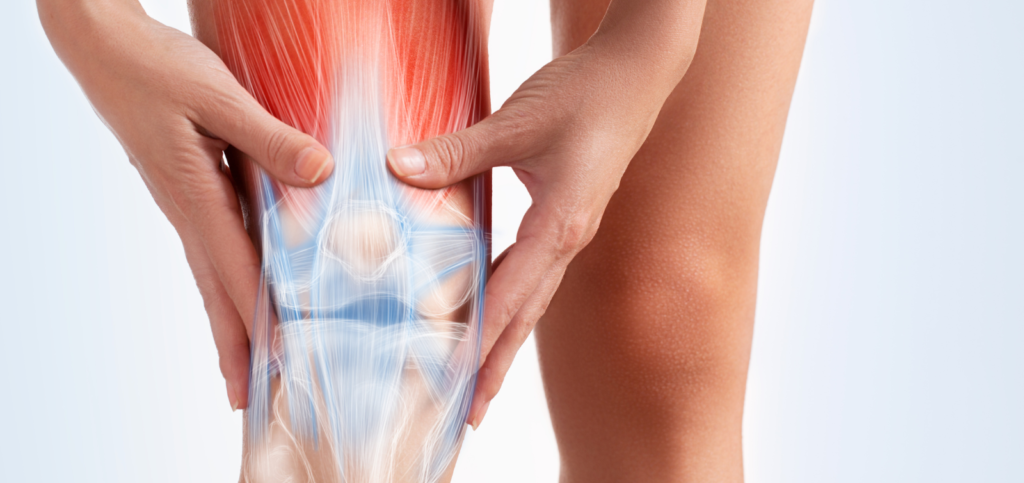
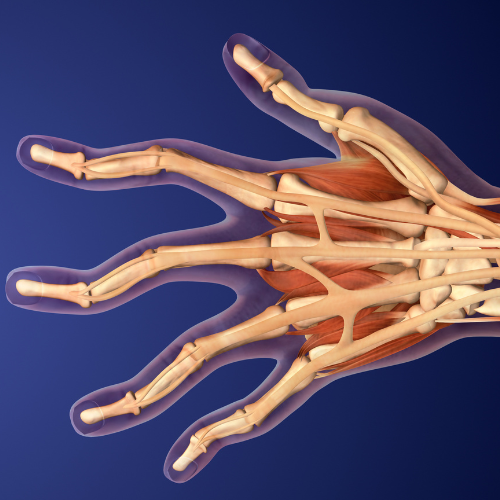
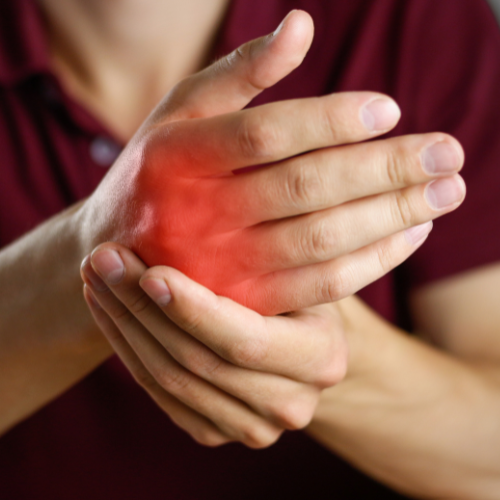
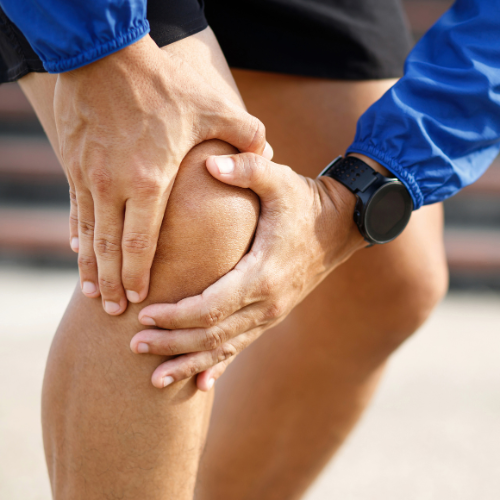
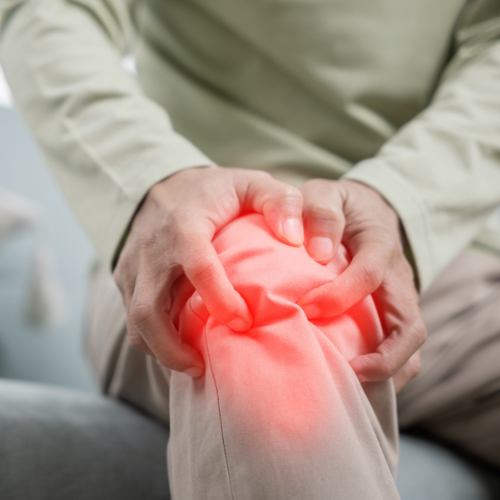
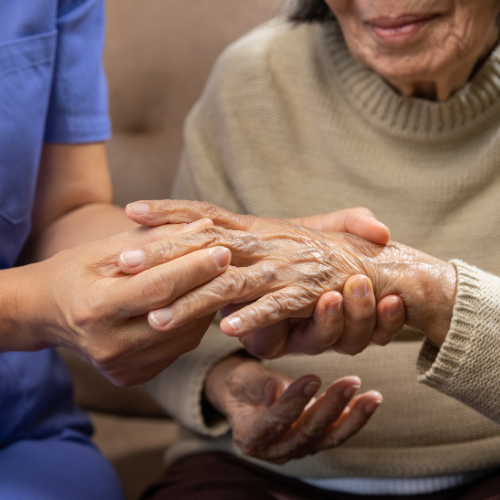
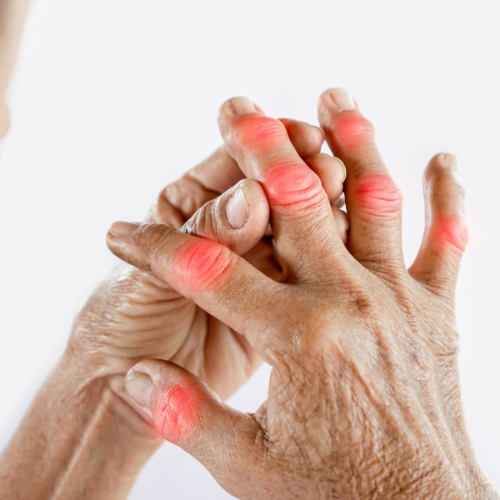
Arthritis, presenting as joint pain and stiffness, affects individuals of all ages. Treatment and maintaining physical activity are vital for managing symptoms and preserving mobility. While no cure exists, early intervention enhances treatment effectiveness. Genetic predisposition and various factors contribute to arthritis, emphasizing the importance of personalized care and lifestyle adjustments.
What are the symptoms of Arthritis?
The symptoms of arthritis can vary depending on the type of arthritis and the individual. However, common symptoms may include:
Joint pain
Joint stiffness, especially in the morning or after periods of inactivity
Swelling around the affected joints
Redness and warmth in the joints
Difficulty moving the joint or decreased range of motion
Fatigue
Muscle weakness
Tenderness or discomfort when touching the joint
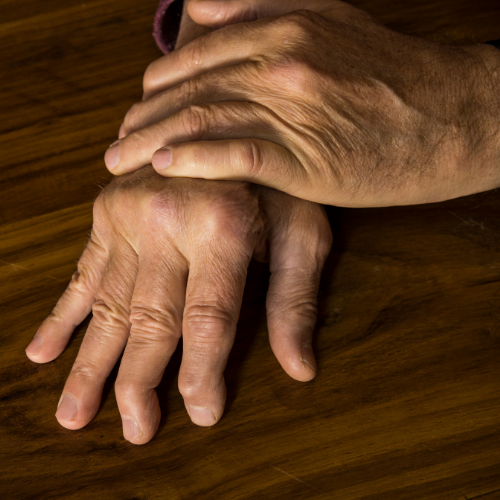
Joint deformities, in advanced cases
Grating or grinding sensation in the joint (crepitus)
Fever, in some types of inflammatory arthritis
What are the Causes of Arthritis?
The causes of arthritis can vary depending on the type of arthritis. Some common factors contributing to arthritis include:
1. Genetics: Certain types of arthritis, such as rheumatoid arthritis and ankylosing spondylitis, have a genetic component, meaning they can run in families.
2. Immune System Dysfunction: In autoimmune types of arthritis, such as rheumatoid arthritis and psoriatic arthritis, the immune system mistakenly attacks the body’s own tissues, including the joints, leading to inflammation and joint damage.
3. Injury or Trauma: Joint injuries or trauma, such as fractures or ligament tears, can increase the risk of developing arthritis, particularly osteoarthritis, which is the most common type of arthritis.
4. Infection: Some types of arthritis, such as septic arthritis, can develop as a result of bacterial, viral, or fungal infections that affect the joints.
5. Age: The risk of developing arthritis increases with age, as wear and tear on the joints over time can lead to osteoarthritis.
6. Obesity: Being overweight or obese can put extra strain on the joints, particularly weight-bearing joints like the knees and hips, increasing the risk of developing arthritis.
7. Joint Overuse: Repetitive movements or overuse of certain joints, such as those seen in athletes or individuals with physically demanding occupations, can contribute to the development of arthritis, particularly osteoarthritis.
8. Metabolic Factors: Metabolic conditions such as gout, which is characterized by the accumulation of uric acid crystals in the joints, can cause episodes of severe joint pain and inflammation.
Types of arthritis
There are several types of arthritis, each with its own causes, symptoms, and treatments. Some common types include:
Osteoarthritis (OA):
The most common type of arthritis, characterized by the breakdown of cartilage in the joints, leading to pain, stiffness, and decreased mobility. It often affects weight-bearing joints such as the knees, hips, and spine.
Rheumatoid Arthritis (RA):
An autoimmune disease where the immune system attacks the lining of the joints, causing inflammation, pain, swelling, and eventual joint damage. It can affect multiple joints, including the hands, wrists, and feet.
Psoriatic Arthritis (PsA):
A type of inflammatory arthritis that occurs in some people with psoriasis, a skin condition. It can cause joint pain, swelling, stiffness, and inflammation, often affecting the fingers, toes, and spine.
Ankylosing Spondylitis (AS):
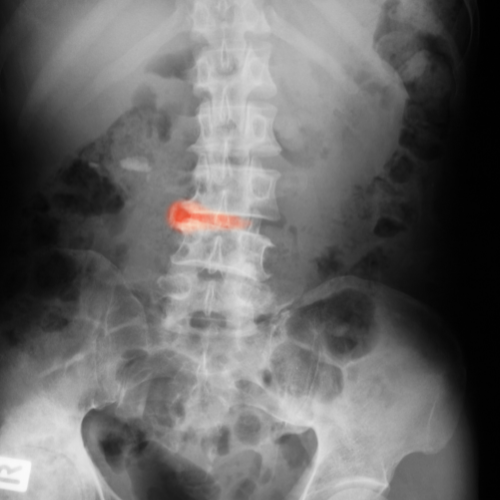
A type of inflammatory arthritis that primarily affects the spine, causing pain and stiffness. It can also affect other joints and may lead to fusion of the vertebrae over time, resulting in a stooped posture.
Gout:
A type of arthritis caused by the buildup of uric acid crystals in the joints, leading to sudden and severe episodes of pain, swelling, redness, and warmth, typically in the big toe but can affect other joints as well.
Complications
arthritis, especially when impacting hands or arms, may hinder daily activities. Arthritis in weight-bearing joints can impede walking or sitting posture. Over time, joints may deform and lose alignment.
Get An Appointment
Just make an appointment to get help from our experts