Dialysis-Free Ayurvedic Treatment for Kidney Disease
Say Goodbye to Painful Dialysis
Avoid Transplants Altogether
Experience Zero Side Effects
Opt for Our 100% Herbal Therapy
Fill Form to Unlock Free Consultation From Kidney Experts
Dr. Piyush Juneja (Vaidya)
With an extensive background spanning over 17 years in the field of Ayurveda, Vaidya (Dr.) Piyush Juneja stands as a cornerstone in the industry, having guided numerous individuals towards optimal health and wellness. Renowned as one of the top-rated Ayurvedic doctors, his expertise extends across various domains, including kidney ailments, infertility, female health disorders, sexual health, and cannabis-related treatments.
Currently serving as a practicing Ayurvedic Physician, Dr. Juneja also holds key consultancy roles with numerous national and international organizations, contributing his expertise in areas such as Clinical Trials, Research & Development, Business Development, Regulatory Affairs, and Contract Manufacturing. Furthermore, he acts as a consultant at Herbo lab, an esteemed entity under the prestigious RPSG group, overseeing operations at Dr. Vaidyas, three60you, and three60plus.
Dr. Juneja’s academic journey in Ayurveda commenced at Gurukul Ayurvedic Medical College, Haridwar, one of India’s oldest educational institutions in the field. He earned his Bachelor of Ayurvedic Medicine and Surgery (BAMS) degree from this esteemed institution, laying a strong foundation for his illustrious career in holistic healthcare.
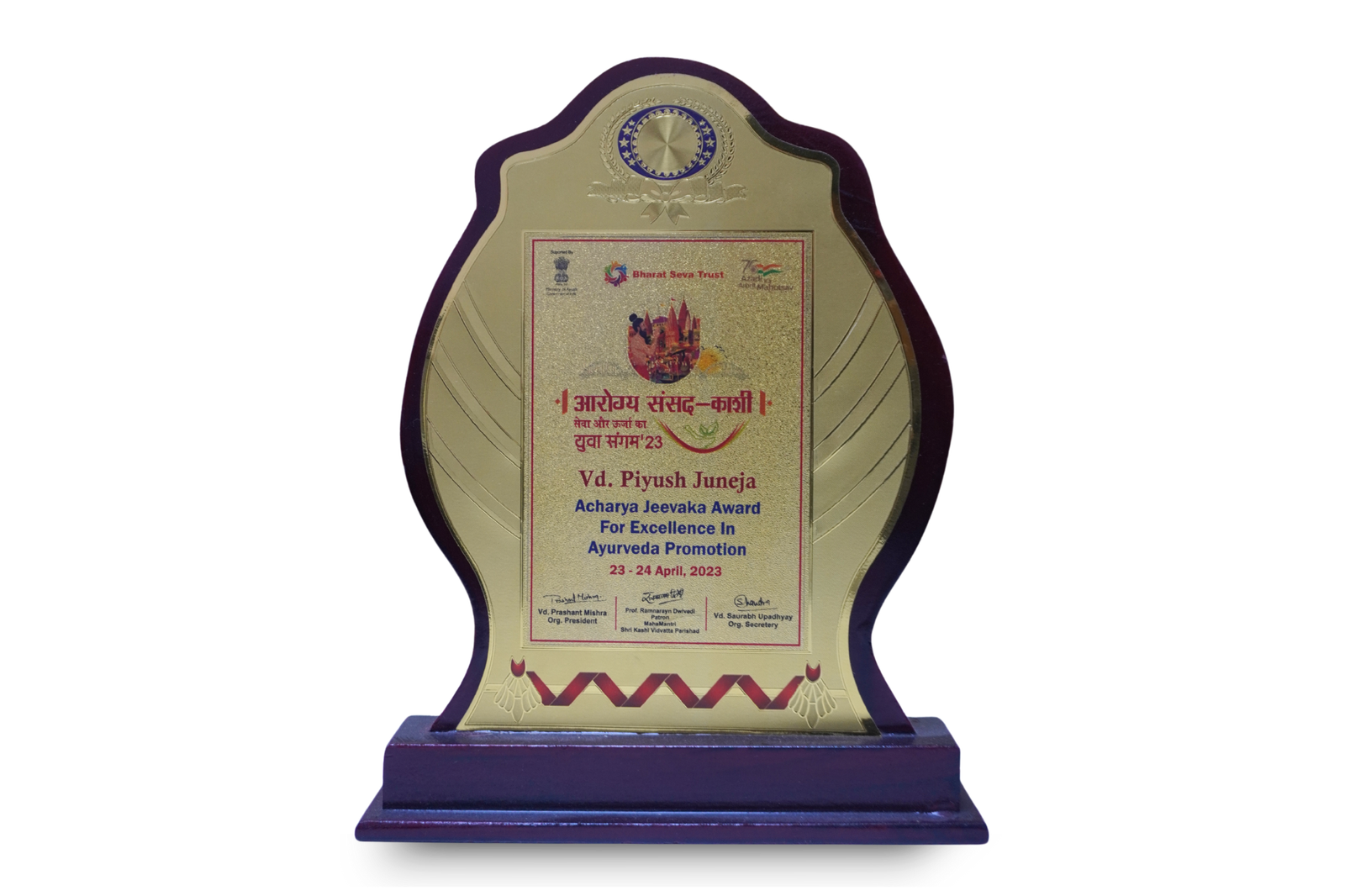
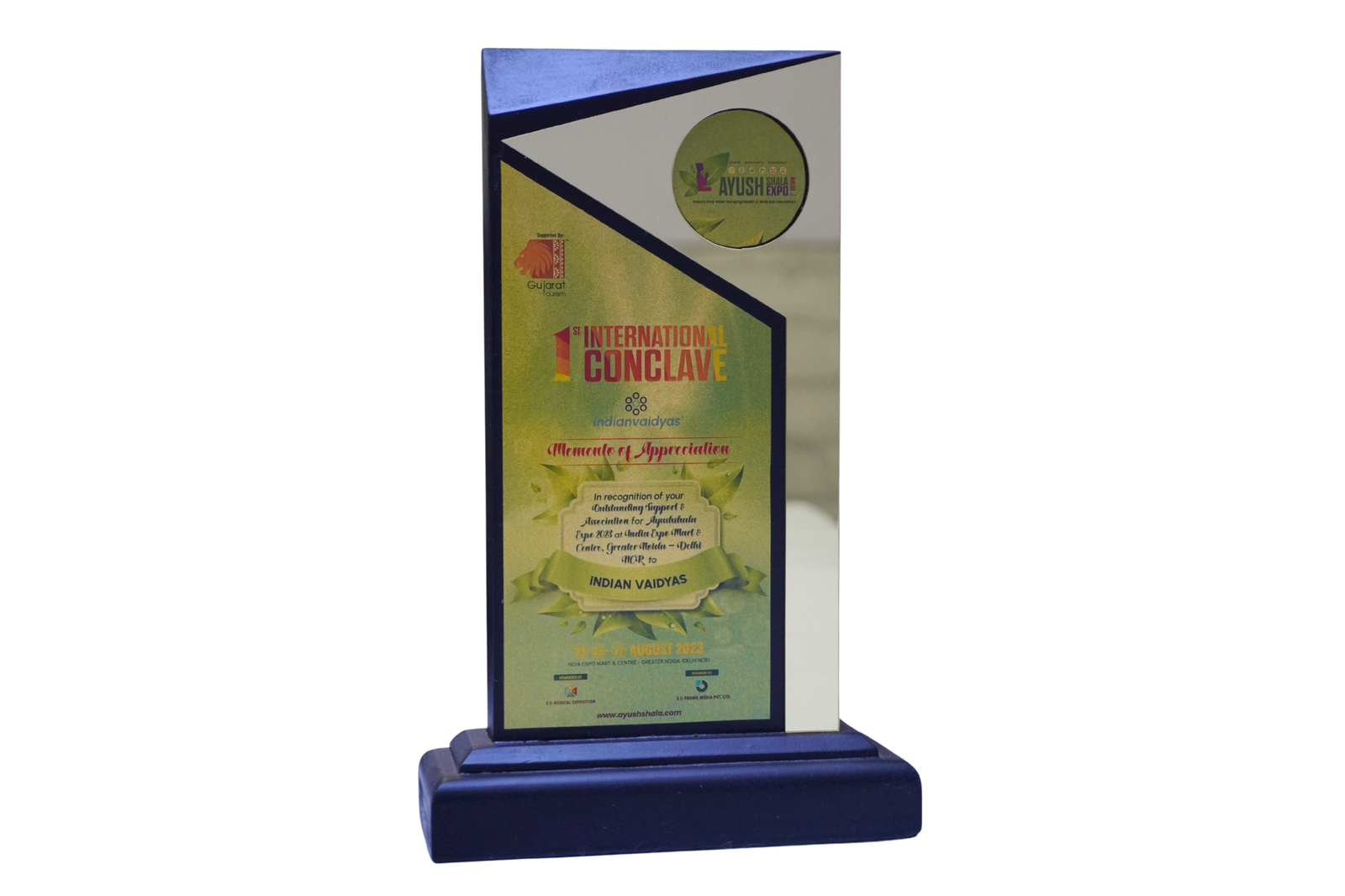
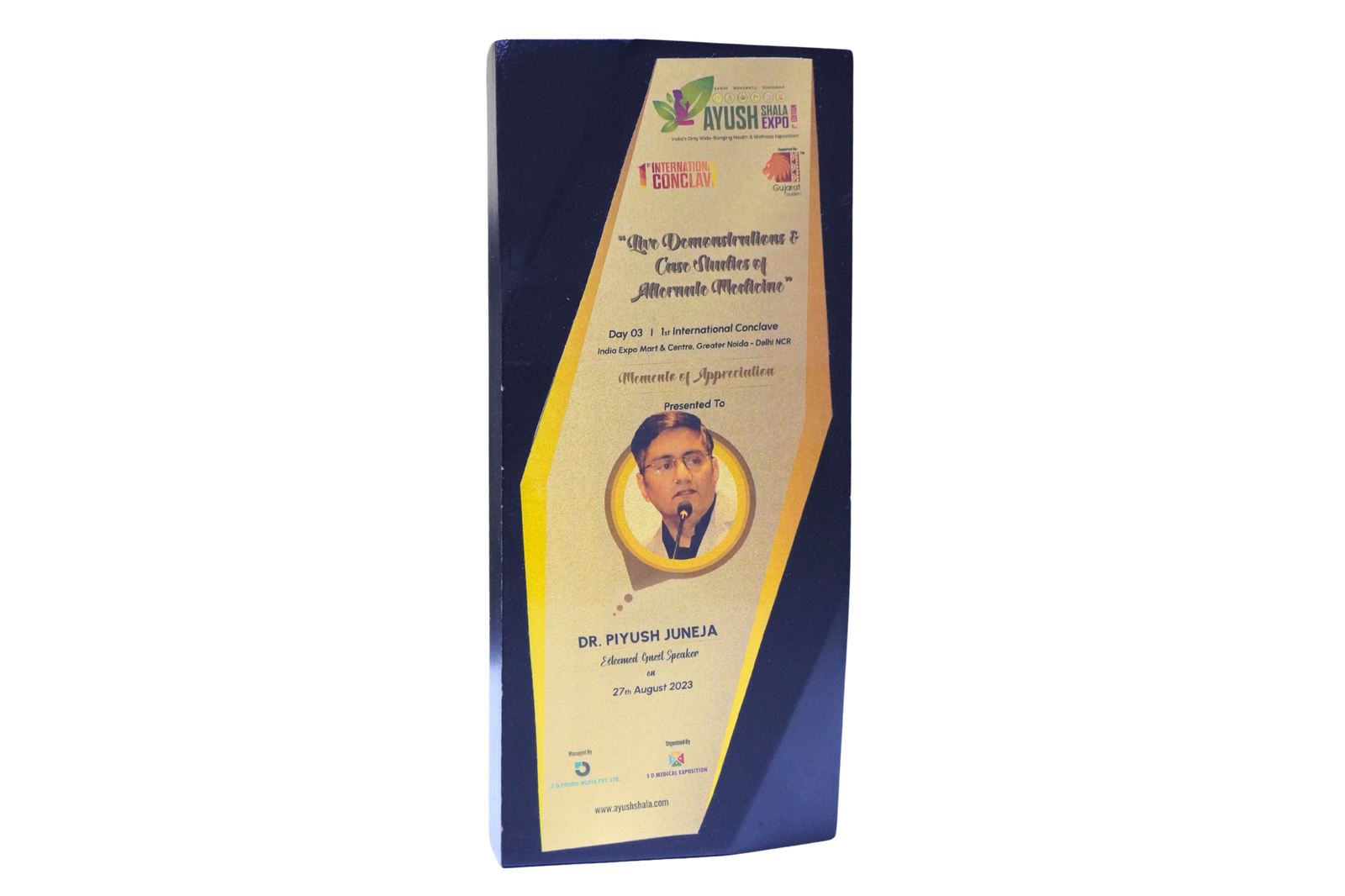
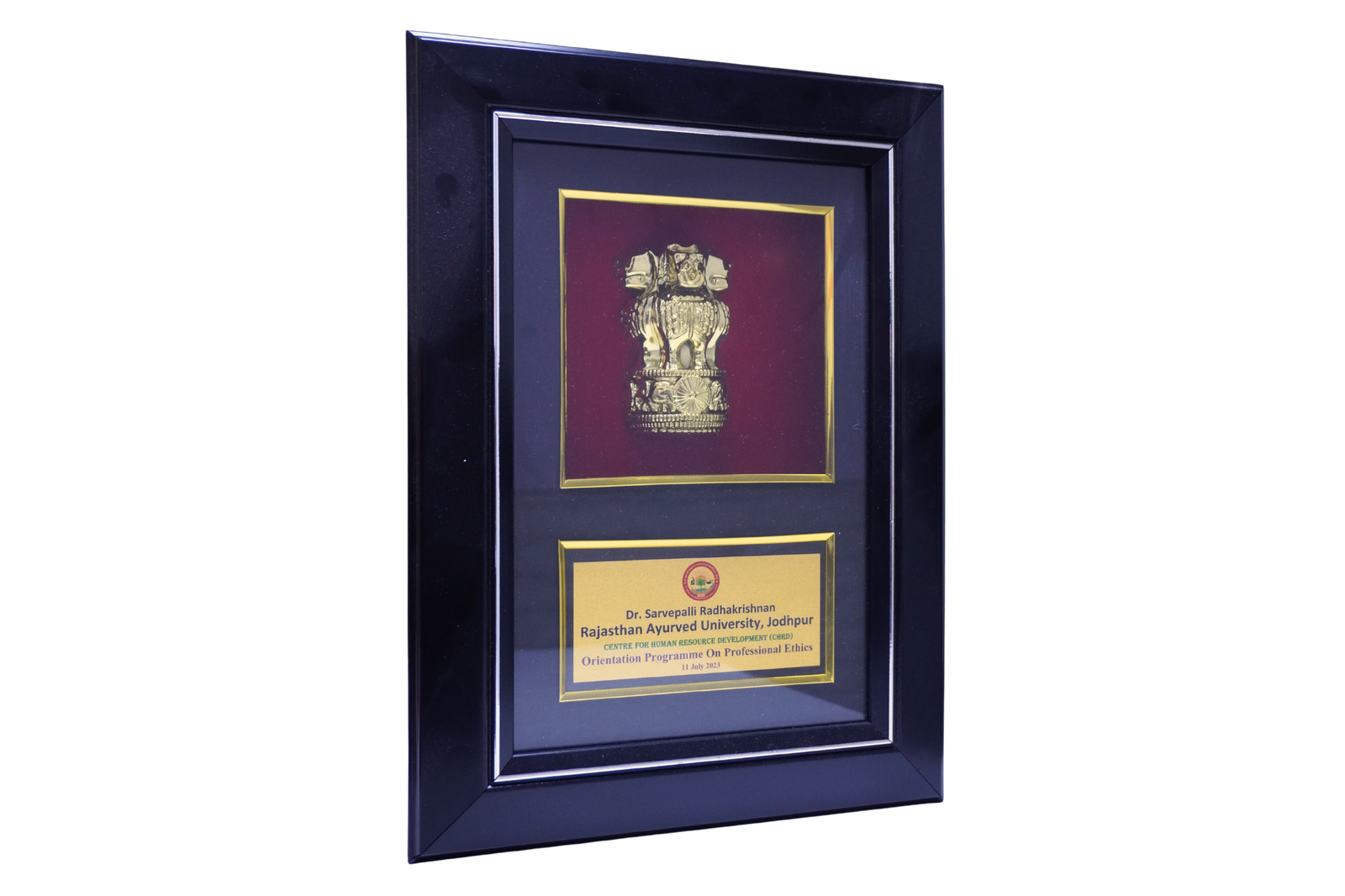
Achievements and Awards:
Featured three times on India today
Featured on News 24 channel
Featured on Business Standard
Featured on Times of India
Featured on The Print
Featured on The Week Magazine
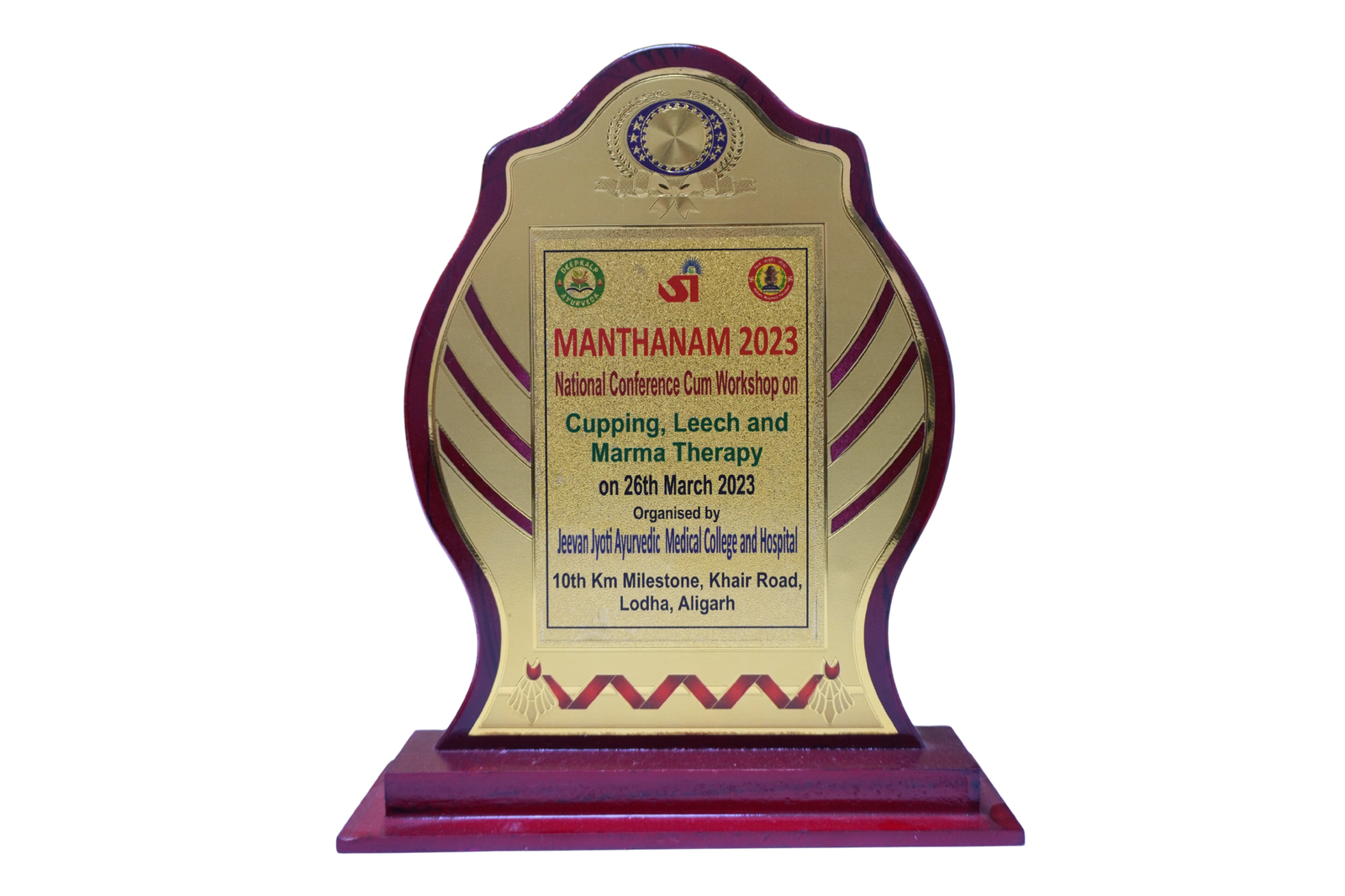
Award for Excellence in Ayurveda Practice-Ayushshala International Conclave Excellence Awards 2023
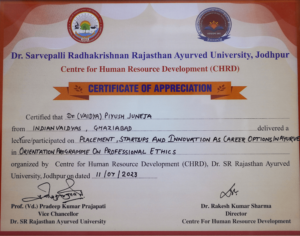
Dr. Sarvepalli Radhakrishnan Rajasthan Ayurved University, Jodhpur
Guest of Honor-Sandhya Medicity India
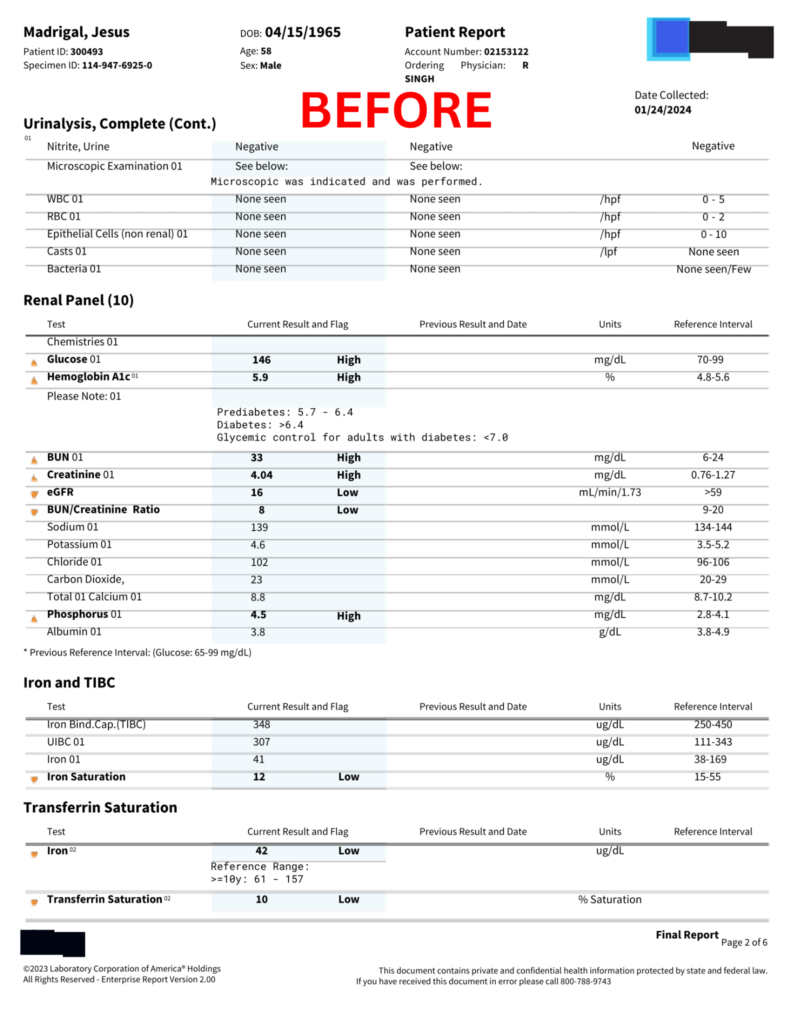
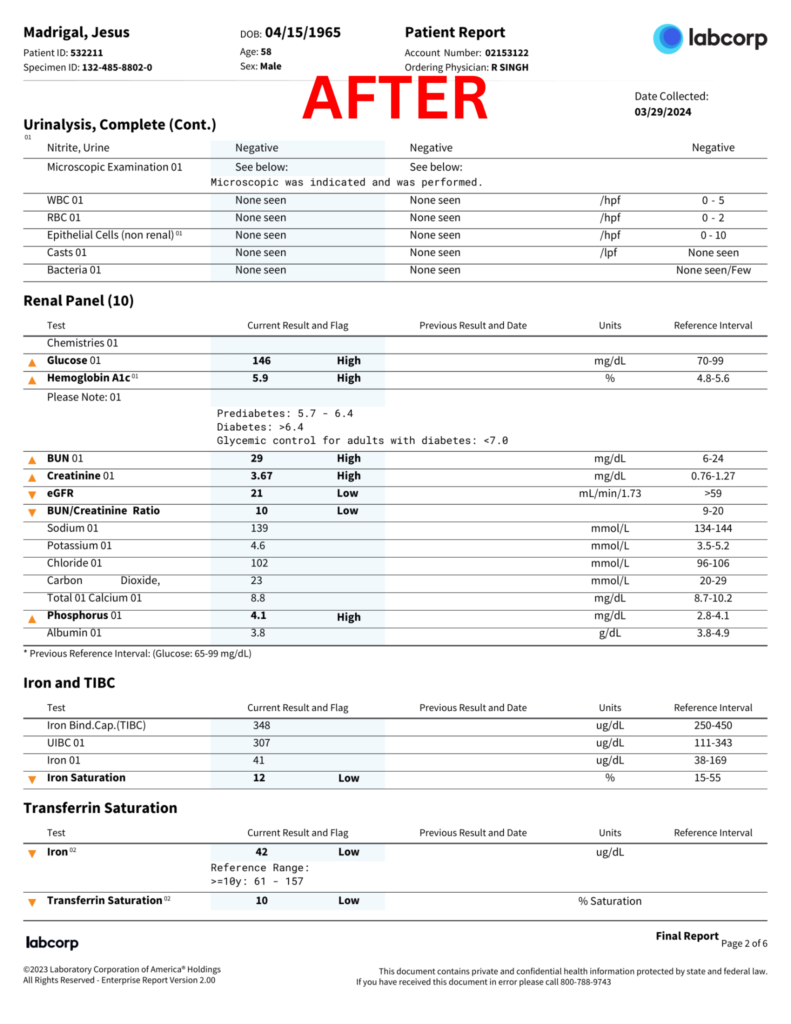
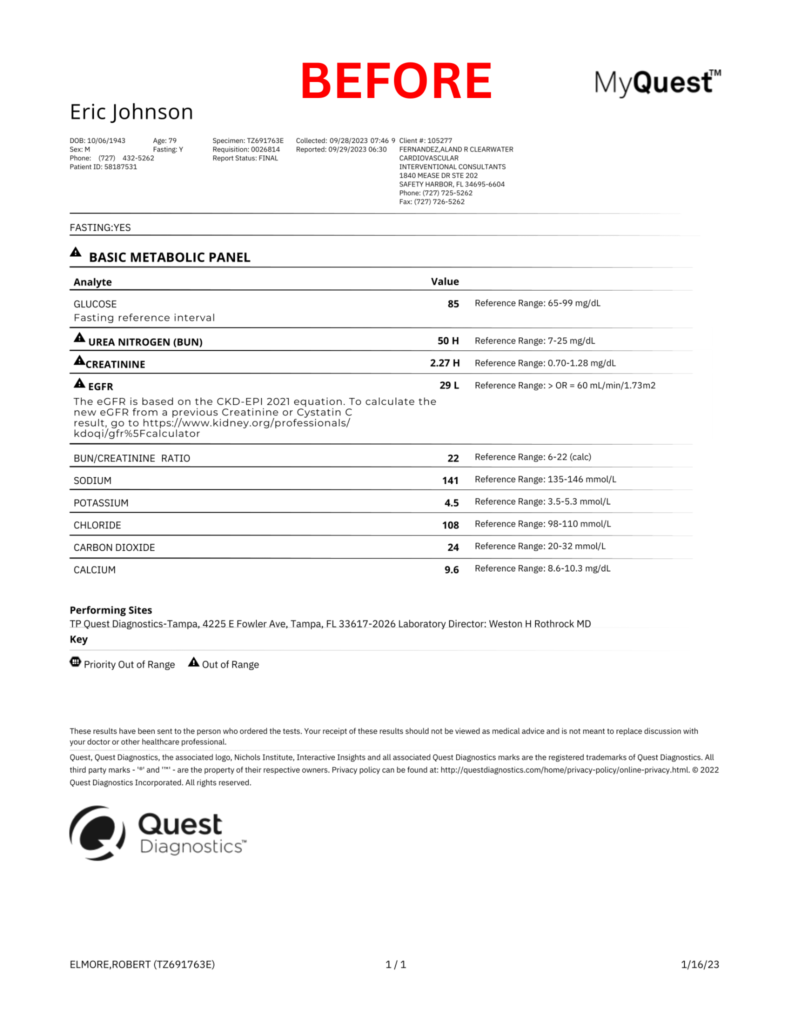
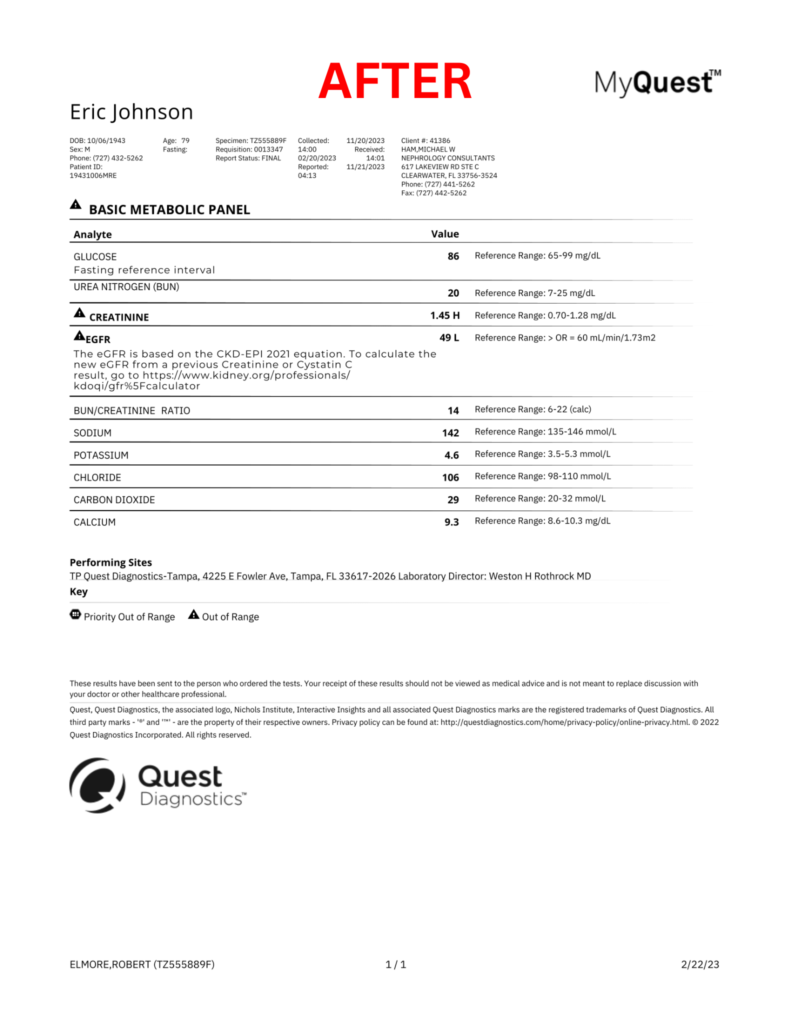
Patien's Reports
Madrigal
Eric Johnson
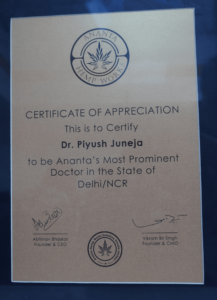
Achievements
What is kidney disease?
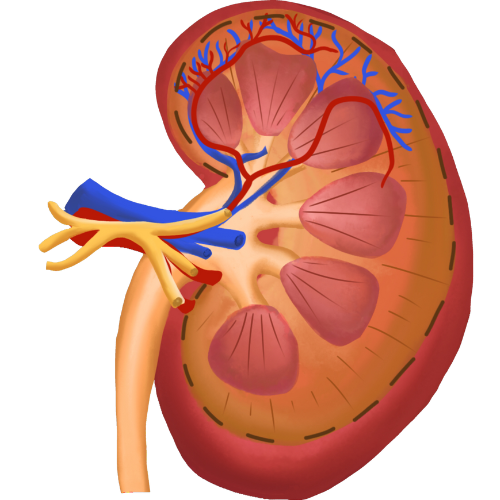
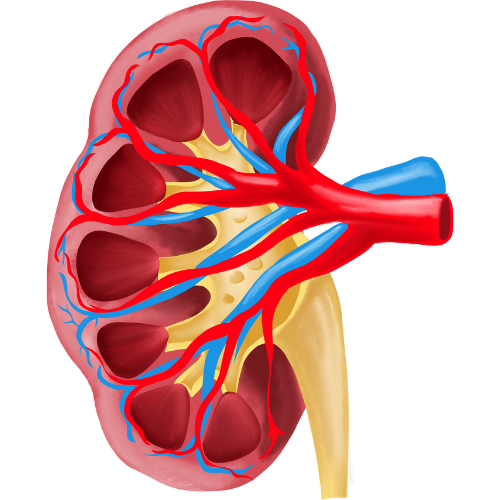
Kidney disease is a serious and often silent condition that affects millions of people worldwide. Kidney disease, also known as renal disease, is a medical condition in which the kidneys are unable to function properly. The kidneys are vital organs responsible for filtering waste products and excess fluids from the blood and regulating electrolyte levels in the body. When the kidneys are damaged or diseased, they are unable to perform these functions effectively, leading to a buildup of waste and fluid in the body.
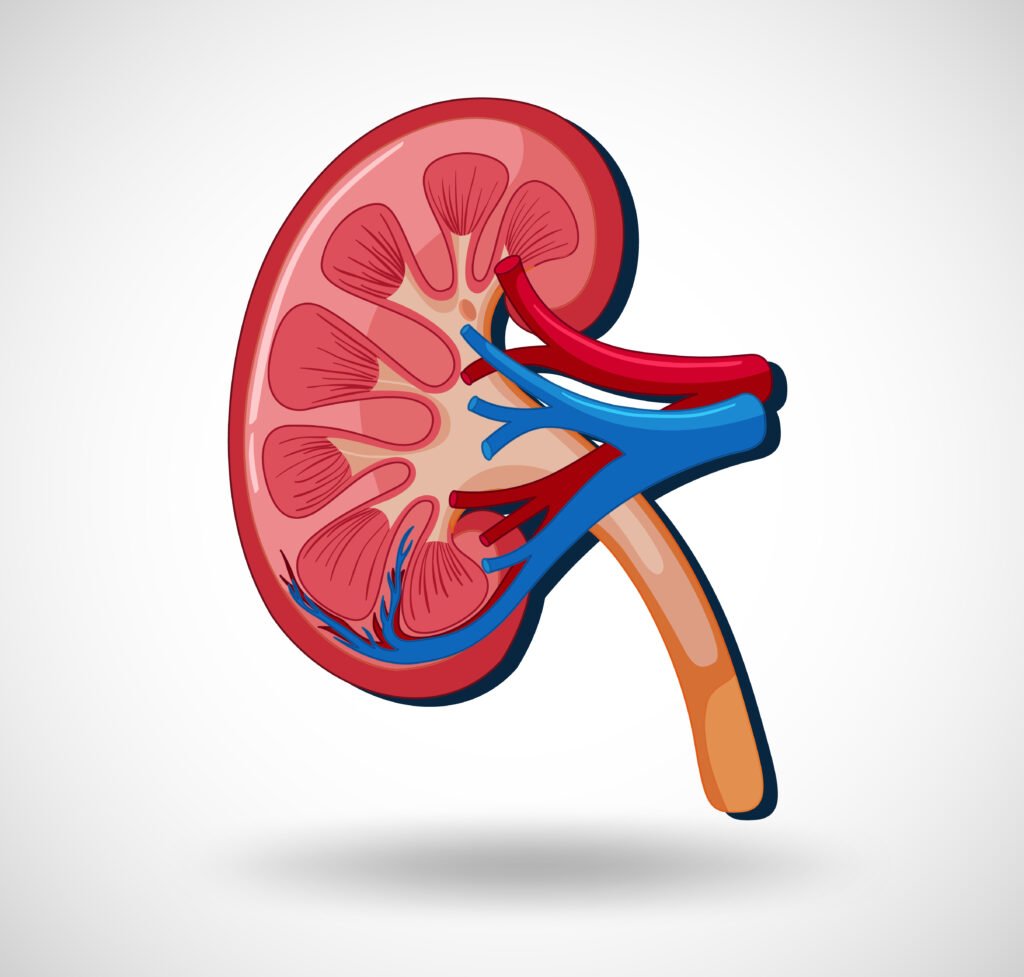
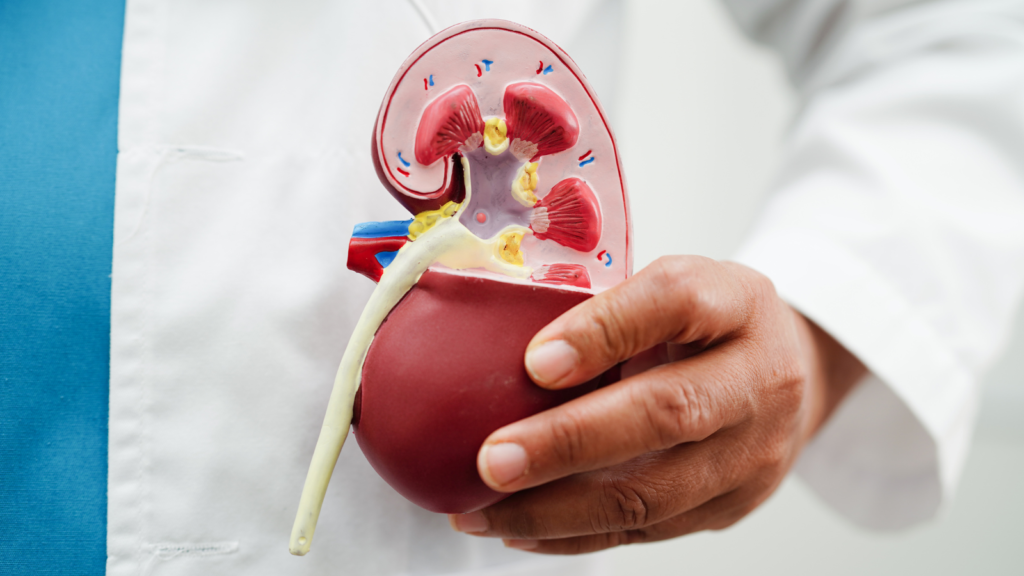
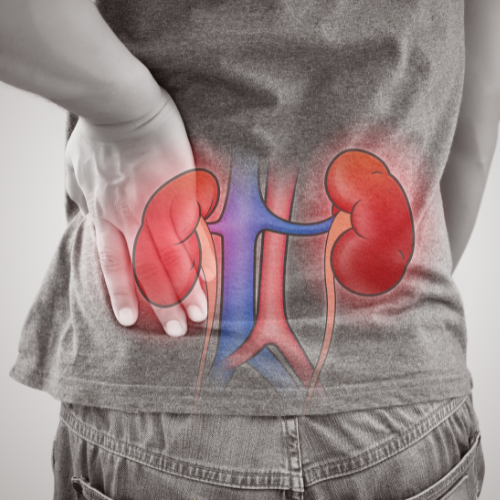
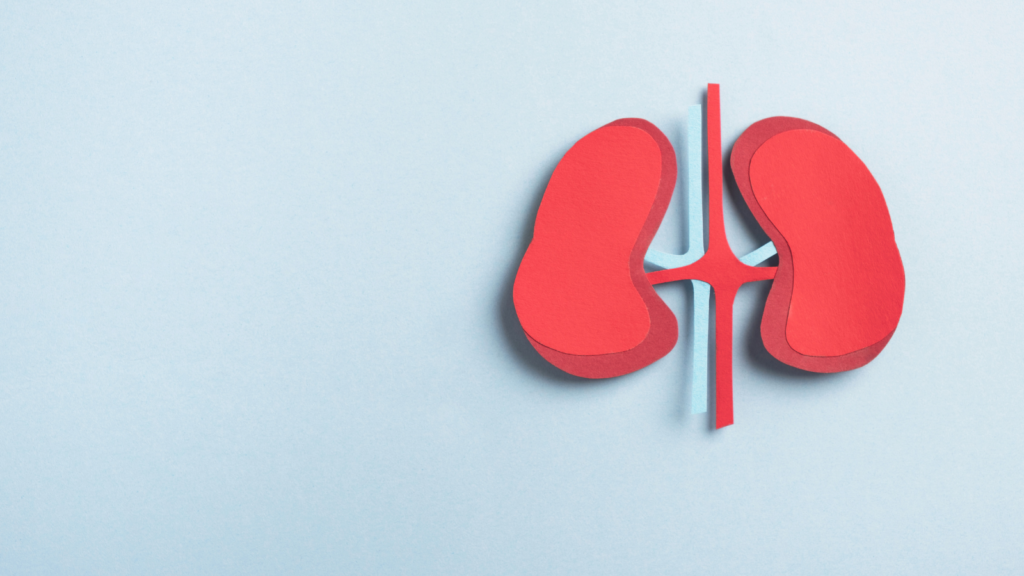
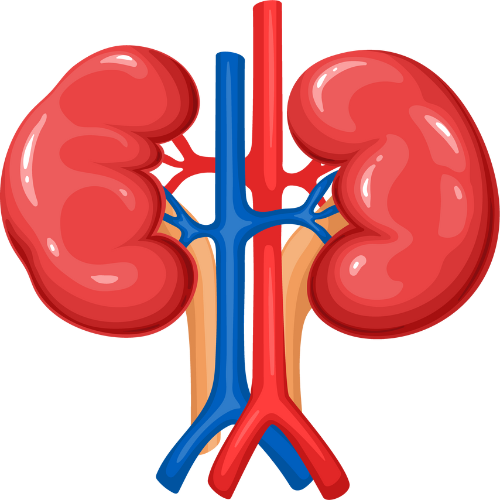
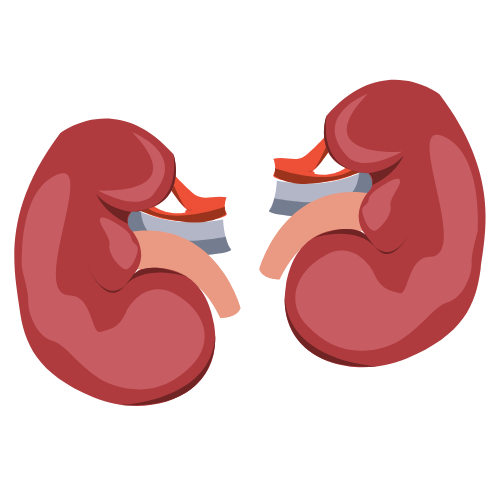
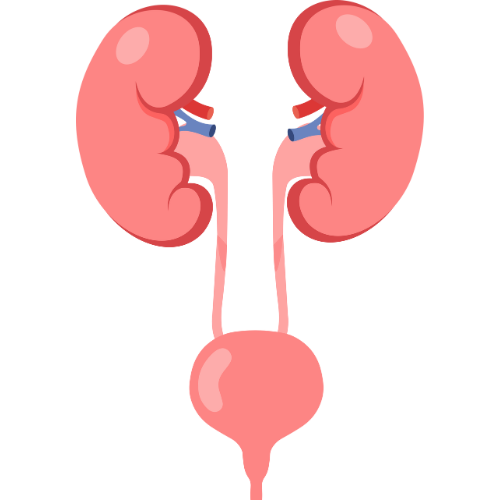
The kidneys are two bean-shaped organs located on either side of the spine, just below the rib cage. Despite their relatively small size, these vital organs play a crucial role in maintaining our overall health and wellbeing.
One of the primary causes of kidney disease is damage to the nephrons – tiny structures within the kidneys responsible for filtering out waste products from the blood. This damage can be caused by various factors such as infections, toxins, drugs, or inherited diseases. Other common causes include diabetes and high blood pressure which can damage blood vessels in the kidneys over time.
Know aboutKidney functions?
The main function of the kidneys is to filter waste products and excess fluid from the blood and eliminate them from the body through urine. This process helps maintain a balance of important substances in our blood, such as electrolytes, minerals, and water.
The kidneys also play a crucial role in controlling blood pressure by releasing hormones that regulate the amount of sodium and water in the body.
Apart from filtering waste products, the kidneys also have other critical functions. They produce erythropoietin, a hormone that stimulates red blood cell production; renin, which regulates blood pressure; and calcitriol, an active form of vitamin D that helps maintain strong bones.
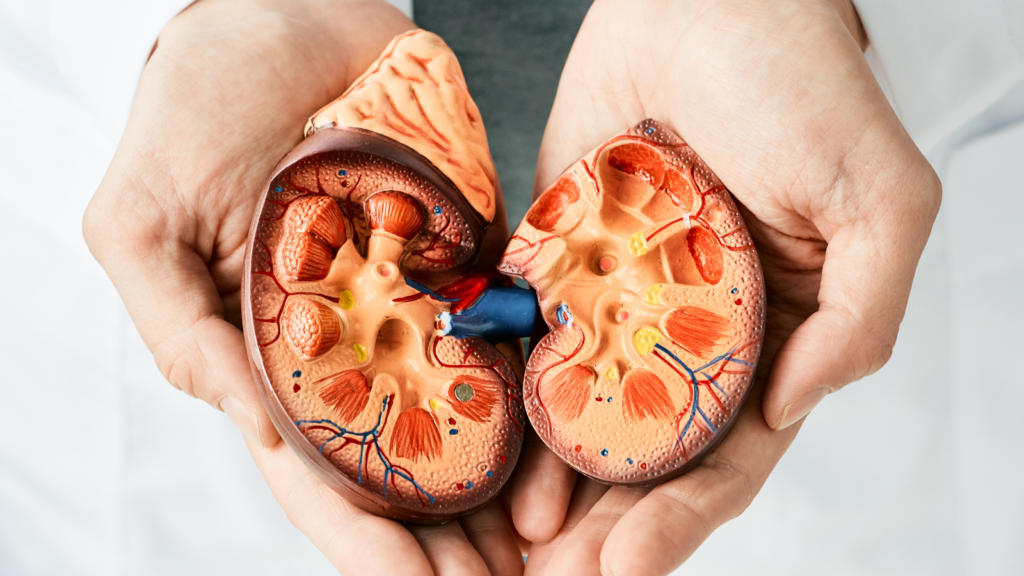
Each kidney contains over a million of tiny blood vessels known as nephrons, through which urea is extracted from the blood. These nephrons eliminate waste, excess substance, and fluid from the blood, which are the extracted as urine. The urine flows from the kidney through two tubes called ureters, to the bladder.
The kidneys play a crucial role in upholding overall health and well-being. Any damage or dysfunction to this vital organ, can lead to several serious health conditions including hypertension, anaemia, weak bones, and kidney failure.
Symptoms of Kidney Disease
Early stages of kidney disease may not present any noticeable symptoms. However, as it progresses, some common signs and symptoms may appear including
Swelling in hands or feet due to fluid retention
Water retention causes these symptoms. Excess fluid is not being removed by their kidneys.
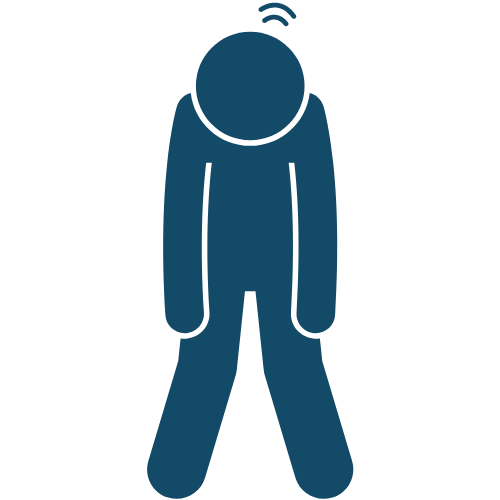
Fatigue and weakness caused by anaemia
Around 70% of CKD patients report fatigue, with 25% reporting severe symptoms.
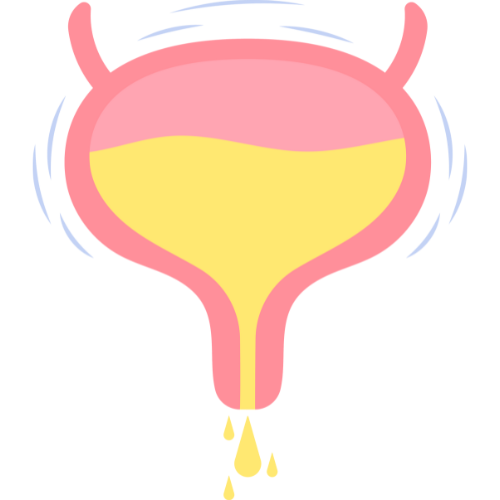
Changes in urination patterns - frequency and colour
If you are urinating more frequently, especially at night, this may indicate kidney disease.
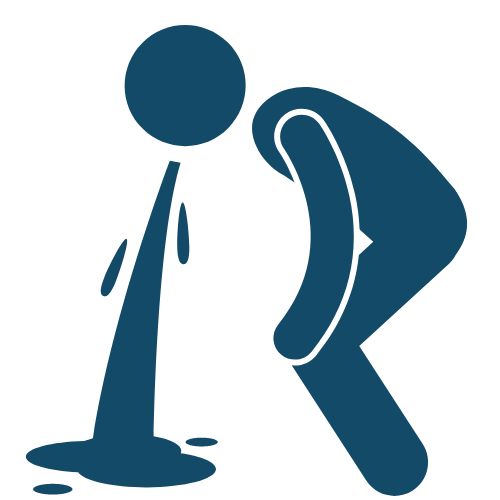
Nausea and vomiting
Some reasons for these symptoms are medicines, constipation, and toxins accumulating in the body.
Loss of appetite
The symptoms of poor appetite worsen with CKD progression in about a third of patients.
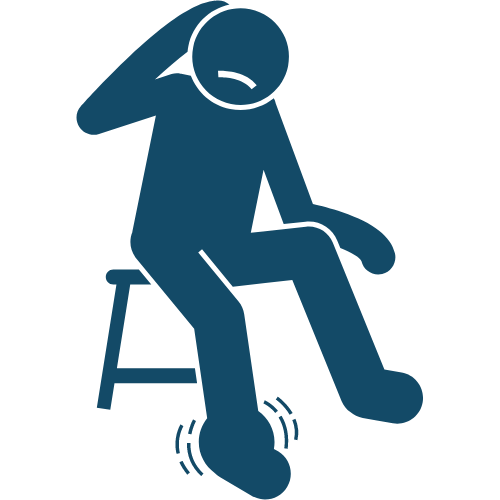
Muscle cramps
Damage to nerve cells causes muscle twitching, cramps, weakness, and pain.
Difficulty Sleeping
Sleep difficulties or insomania are common CKD symptoms. Mental and physical health contribute to sleeplessness.
Blood in the urine
A kidney disease called glomerulonephritis can cause blood in urine only in the lab.
Foamy or Bubbly Urine
This symptom appears late in chronic kidney patient, you should immediately consult doctor.
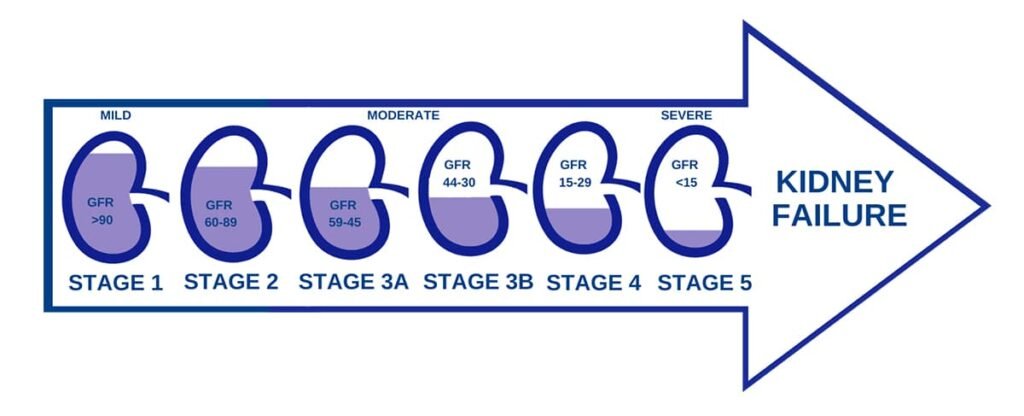
Five stages of chronic kidney disease (CKD)
Cause of Kidney Disease
Kidney disease, also known as renal disease or nephropathy, can have various causes, and it often results from a combination of factors. Some of the primary causes of kidney disease include:
Diabetes
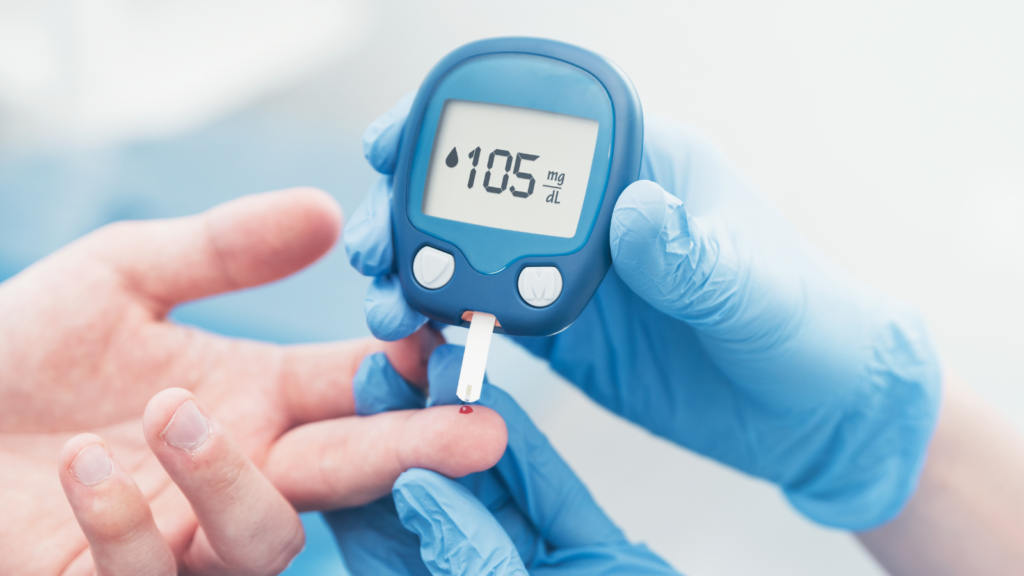
Diabetes is one of the leading causes of kidney disease. High levels of glucose in the blood can damage the small blood vessels in the kidneys over time, leading to decreased chronic kidney disease.
Hypertension
High blood pressure (also known as hypertension) can also damage the blood vessels in the kidneys and impair their ability to filter waste products from the body.
Glomerulonephritis
This type of kidney disease involves inflammation and damage to the glomeruli – kidneys’ filtering units, resulting in the onset of CKD.
Polycystic Kidney Disease (PKD)
This genetic condition involves the development of fluid-filled cysts in the kidneys, leading to gradual damage over time.
Urinary Tract Obstructions
Blockages or obstructions in any part of the urinary tract – including the bladder or ureters – can interfere with normal urine flow and put pressure on your kidneys, potentially leading to damage over time.
Certain Medications
Prolonged use of specific medications, like nonsteroidal anti-inflammatory drugs (NSAIDs), may result in kidney damage and contribute to the development of chronic kidney disease
Other Factors
Factors like age, family history, obesity, severe dehydration and smoking can lead to chronic kidney disease.
Type of Kidney Disease
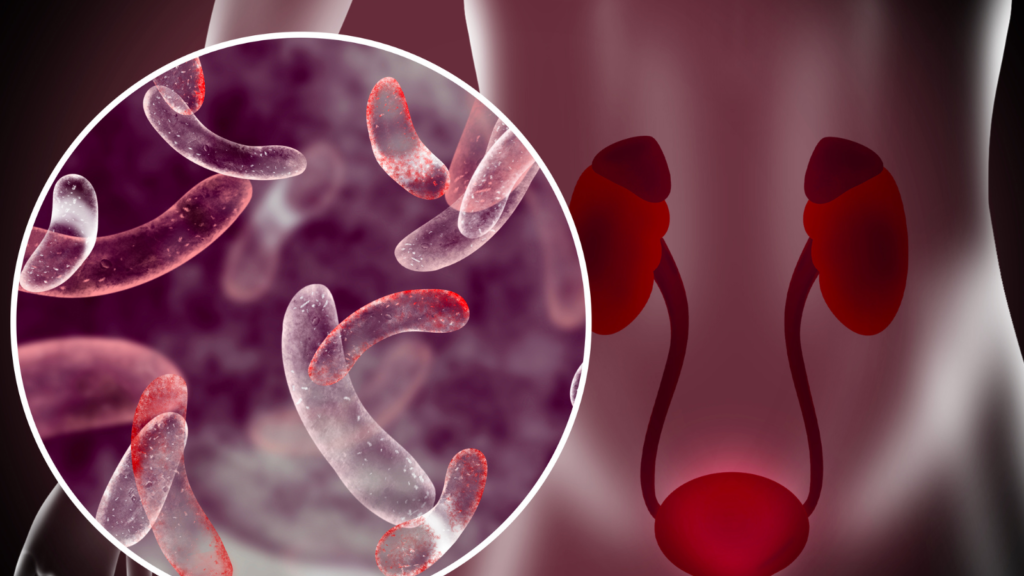
Some common types include kidney injury (AKI), chronic kidney disease (CKD), polycystic kidney disease (PKD), glomerulonephritis (GN), nephrotic syndrome, kidney stones, and urinary tract infections (UTIs)
Chronic Kidney Disease (CKD)
It progresses slowly over months or years and is usually caused by long-term health conditions such as diabetes or high blood pressure.
Acute Kidney Injury (AKI)
This type of kidney disease occurs suddenly when the kidneys stop working properly due to a sudden injury or illness, severe dehydration, blood loss, infection, or medication side effects.
Kidney Stones
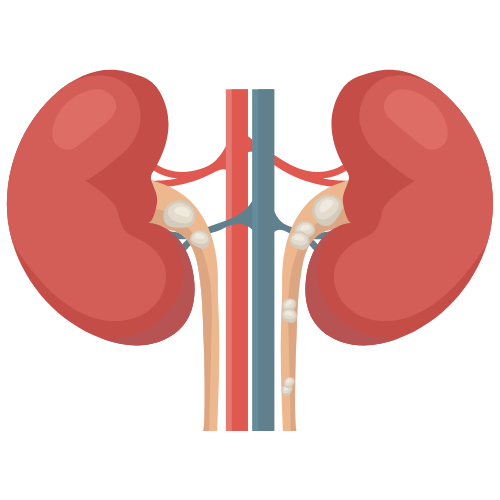
Kidney stones are hard mineral deposits that form in the kidneys and can cause severe pain when they pass through the urinary tract. They can be caused by various factors, including dehydration, certain medical conditions, and dietary factors.
Glomerulonephritis(GN)
Glomerulonephritis is inflammation of the glomeruli, tiny structures within the kidneys responsible for filtering waste products from our blood. This inflammation can impair kidney function, leading to symptoms such as proteinuria (protein in the urine), hematuria (blood in the urine), and reduced urine output
Polycystic Kidney Disease (PKD)
This is a genetic disorder characterized by the growth of multiple water filled cysts in the kidneys which can gradually lead to kidney failure.
Nephrotic Syndrome
Nephrotic syndrome occurs when there is too much protein excreted in urine due to damaged glomeruli. This condition can be caused by several underlying diseases such as lupus nephritis or diabetes.
Why choose VedVilla?
At VedVilla, we offer premium Ayurvedic medicines crafted with care and backed by ancient wisdom. Our products are meticulously formulated using natural ingredients to promote holistic wellness and vitality. Choose VedVilla for time-tested remedies that nurture your body, mind, and spirit naturally.
100% Natural Ayurvedic Practice
Personalized Care
Experienced Practitioners
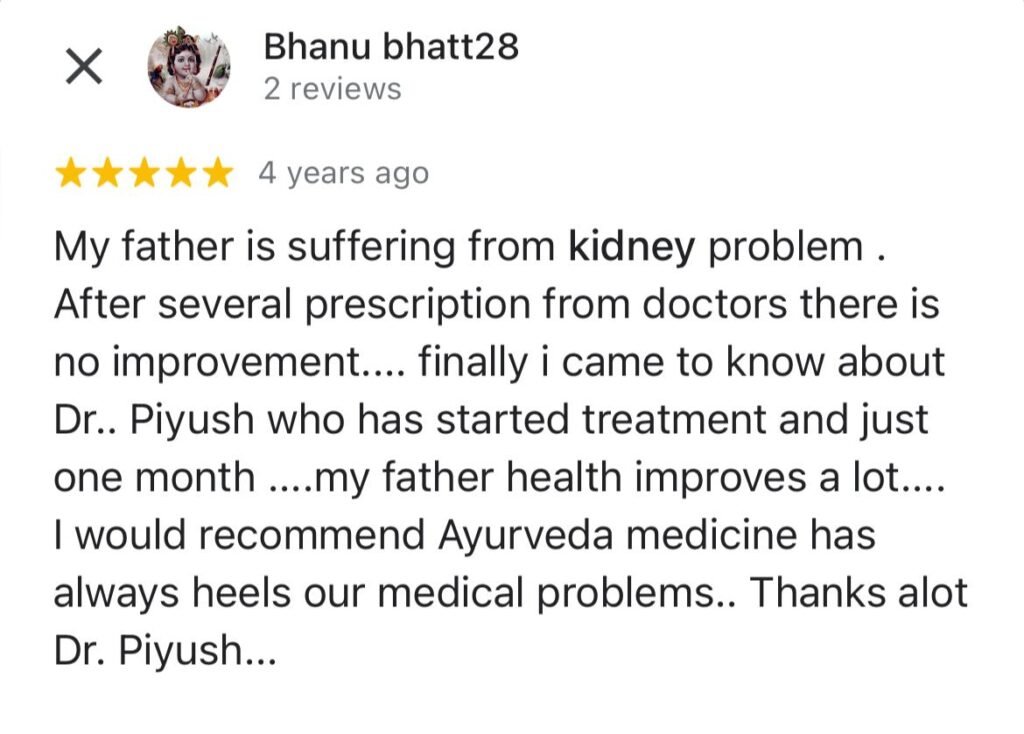
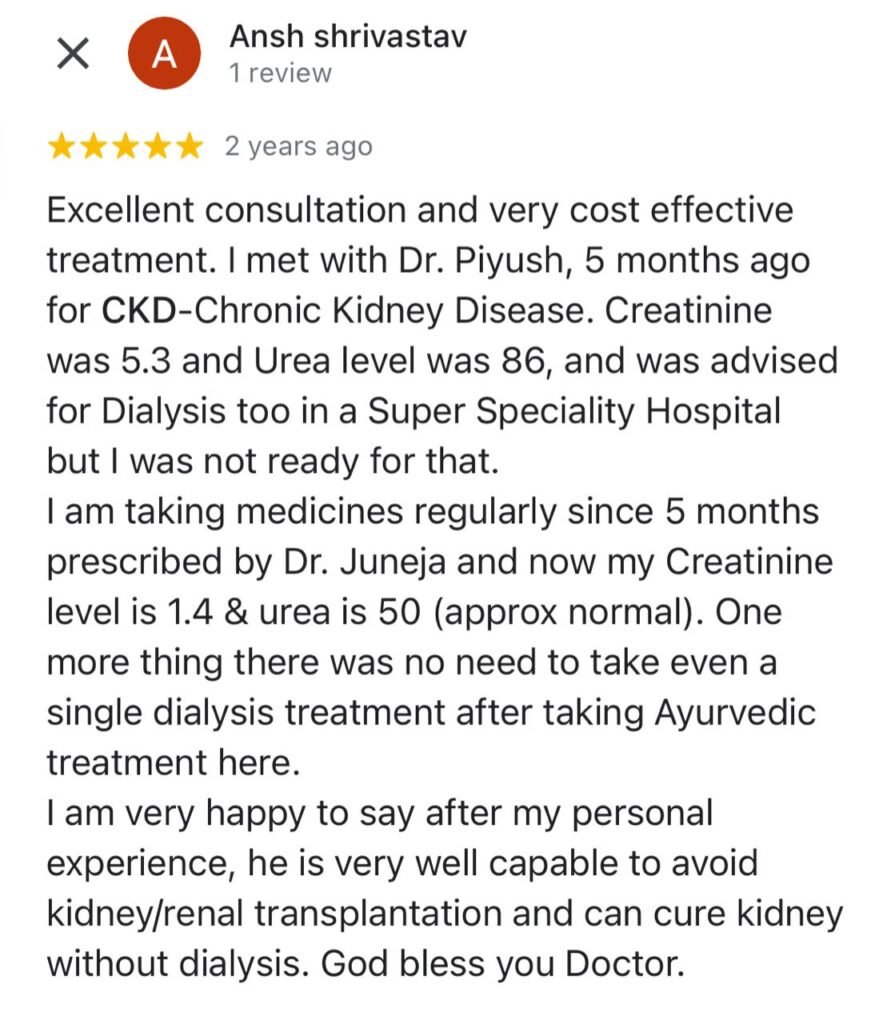
What ourHappy Patient said
Kidney FAQ'S
What are the common causes of kidney problems?
Kidney problems can arise from various factors including diabetes, high blood pressure, certain medications, infections, kidney stones, and genetic conditions.
How do I know if I have a kidney problem?
Symptoms of kidney problems may include changes in urine output, blood in urine, swelling in the legs or ankles, fatigue, nausea, and difficulty concentrating. However, some kidney conditions may not cause symptoms until they are advanced.
Can kidney problems be treated without dialysis or transplantation?
Yes, depending on the specific condition and its severity, there may be alternative treatments available such as medication, lifestyle changes, dietary modifications, and complementary therapies like Ayurveda.
What is Ayurveda and how can it help with kidney problems?
Ayurveda is a traditional system of medicine originating from India that emphasizes a holistic approach to health and wellness. Ayurvedic treatments for kidney problems may include herbal remedies, dietary changes, lifestyle modifications, and detoxification therapies.
Are Ayurvedic treatments safe and effective for kidney health?
Ayurvedic treatments for kidney health can be safe and effective when administered by qualified practitioners. It’s important to consult with a knowledgeable Ayurvedic doctor who can tailor the treatment plan to your individual needs and monitor your progress.
How long does it take to see results from Ayurvedic treatments for kidney problems?
The timeline for seeing results from Ayurvedic treatments can vary depending on factors such as the severity of the condition, the individual’s response to treatment, and adherence to the treatment plan. Some people may experience improvement in symptoms relatively quickly, while others may require more time.
Can I continue with my current medical treatments while undergoing Ayurvedic treatment for kidney problems?
It’s essential to communicate openly with all healthcare providers involved in your care, including your Ayurvedic practitioner and conventional medical doctors. They can work together to ensure that all treatments are coordinated and safe.
Are there any dietary or lifestyle recommendations to support kidney health?
Yes, maintaining a healthy diet, staying hydrated, managing blood pressure and blood sugar levels, avoiding smoking and excessive alcohol consumption, and engaging in regular physical activity are important for supporting kidney health.
What should I do if I have further questions or concerns about Ayurvedic treatments for kidney problems?
Feel free to reach out to our team for more information or to schedule a consultation. We’re here to provide support and guidance on your journey to kidney wellness.
Connect with an Ayurveda Specialist to discuss more about Holistic Cure for Kidney Disease
DISCLAIMER
The information provided here is to educate the site visitors about the services that we provide. Please do not consume any of our solution without a proper consultation and advice from our certified and professional Ayurvedic specialists. They need to understand the current health status prior to suggesting you further treatment(s).
We’re authorized and approved by the FDA, FSSAI, WHO GMP, AYUSH and HALAL.