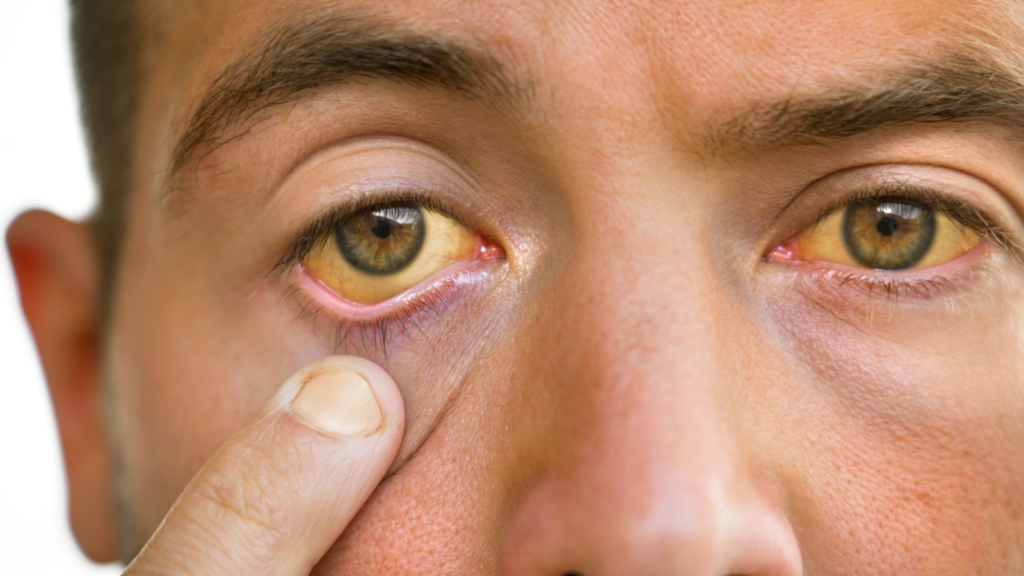
Jaundice is a medical condition characterized by the yellowing of the skin, mucous membranes, and the whites of the eyes (sclera). It occurs when there is an excessive accumulation of bilirubin in the body, leading to its deposition in various tissues.
Jaundice can be classified into three main types, based on the underlying cause:
Pre-hepatic Jaundice
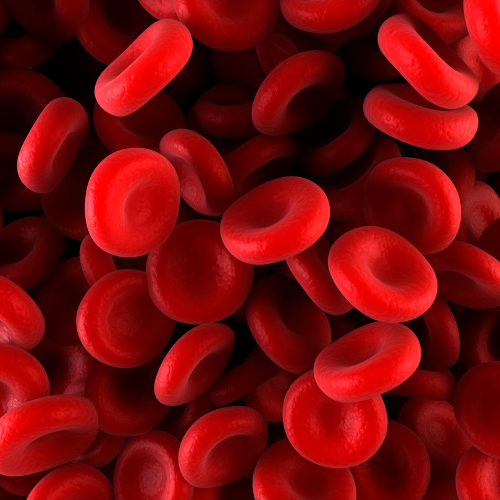
This type of jaundice occurs when there is an excessive breakdown of red blood cells, leading to an increased production of bilirubin that overwhelms the liver’s capacity to process it. Causes of pre-hepatic jaundice include hemolytic anemia, where red blood cells are destroyed at an accelerated rate, and certain genetic disorders affecting red blood cell metabolism.
Hepatic Jaundice
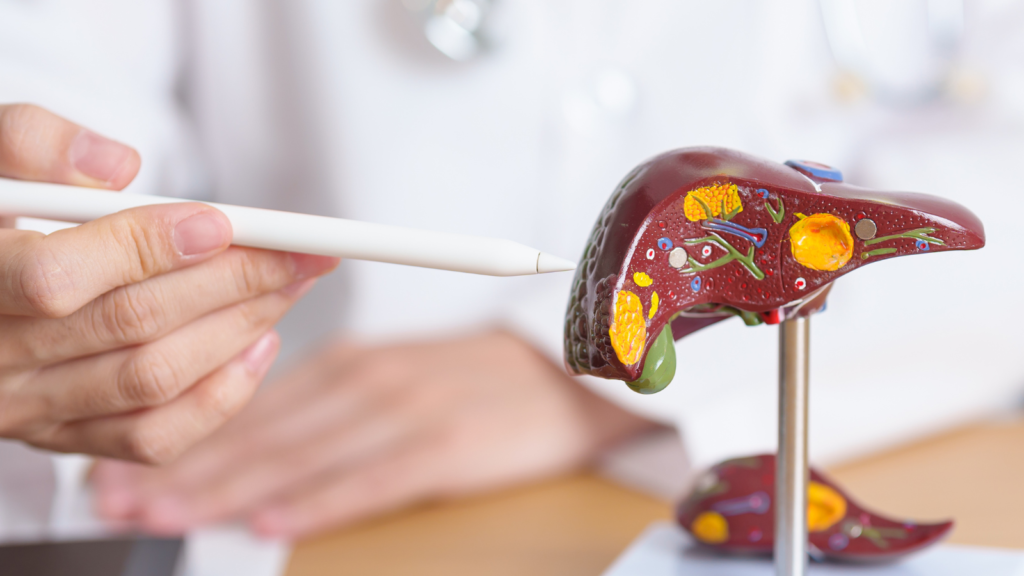
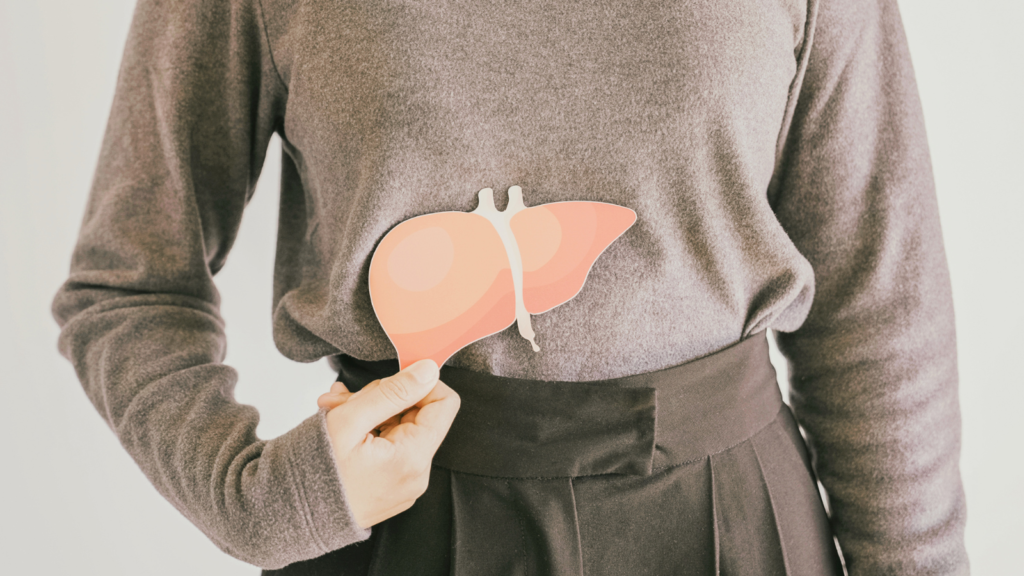
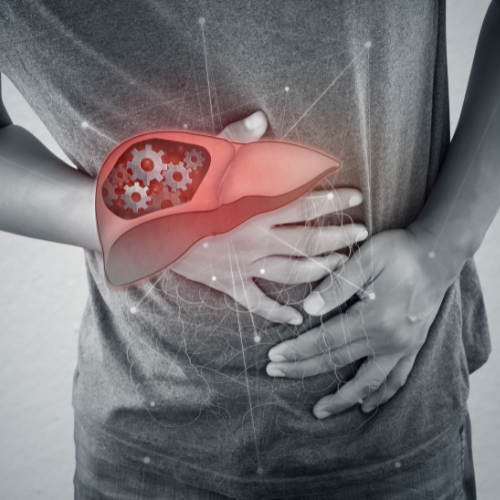
Hepatic jaundice occurs due to liver dysfunction, where the liver is unable to process bilirubin efficiently. Causes of hepatic jaundice include liver diseases such as hepatitis, cirrhosis, alcoholic liver disease, drug-induced liver injury, and other conditions affecting liver function.
Post-hepatic Jaundice (Obstructive Jaundice)
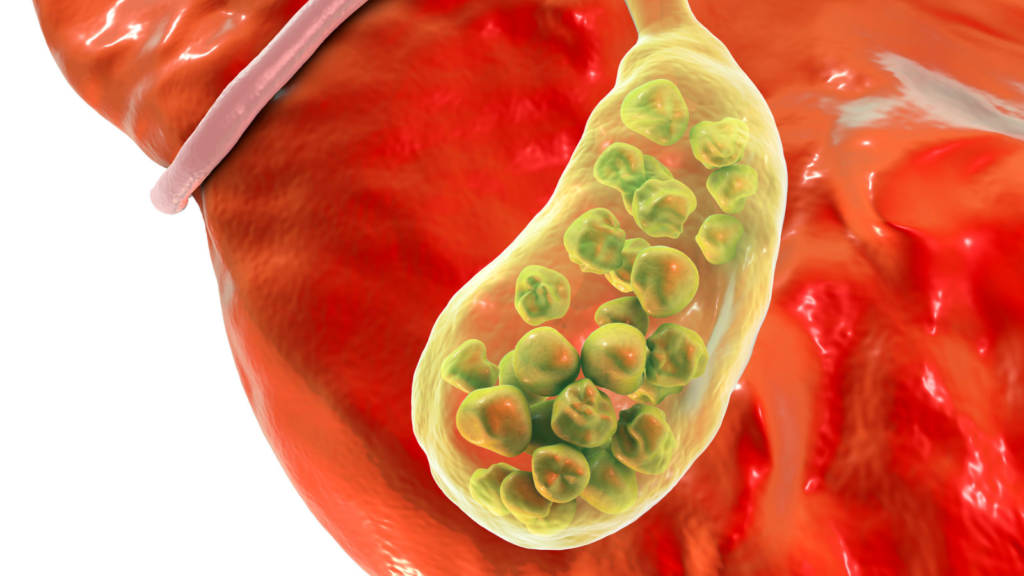
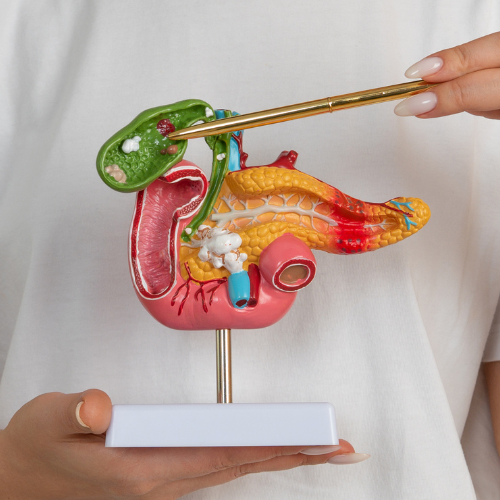
This type of jaundice occurs when there is a blockage in the bile ducts, preventing the flow of bile from the liver to the intestines. As a result, bilirubin accumulates in the bloodstream and causes jaundice. Causes of post-hepatic jaundice include gallstones, tumors obstructing the bile ducts, inflammation of the bile ducts (cholangitis), and pancreatic cancer.
What are thesymptoms of Jaundice?
Jaundice itself is a symptom characterized by the yellowing of the skin, mucous membranes (such as the inside of the mouth), and the whites of the eyes (sclera). However, jaundice may be accompanied by other symptoms, depending on the underlying cause and severity. Some common symptoms associated with jaundice include:
Abdominal Pain or Discomfort
In cases where jaundice is caused by liver inflammation, liver enlargement, or bile duct obstruction, abdominal pain or discomfort may occur, particularly in the upper right quadrant of the abdomen.
Yellowing of the Skin and Eyes
This is the hallmark symptom of jaundice. The yellow discoloration is caused by the accumulation of bilirubin in the body.
Dark Urine
Bilirubin is excreted in the urine, and when levels are elevated, urine may appear darker than usual, ranging from amber to brown in color.
Pale Stools
Bilirubin gives stool its characteristic brown color. In cases of jaundice, where bilirubin is not properly excreted in bile, stools may appear pale or clay-colored.
Itching (Pruritus)
Elevated levels of bilirubin in the bloodstream can lead to itching, which may be generalized or localized to specific areas of the body.
Fatigue and Weakness
Jaundice can be accompanied by feelings of fatigue, weakness, and overall malaise.
Fever
In cases where jaundice is caused by an underlying infection, such as viral hepatitis or cholangitis, fever may be present.
WhatCauses Jaundice?
Jaundice occurs when there is an accumulation of bilirubin in the body, leading to its deposition in various tissues, particularly the skin and eyes. Bilirubin is a yellow pigment that forms when red blood cells break down. There are several factors that can contribute to the development of jaundice, including:
Excessive Breakdown of Red Blood Cells (Hemolysis)
When red blood cells are destroyed at an accelerated rate, such as in hemolytic anemias, there is an increased production of bilirubin that overwhelms the liver’s capacity to process it. Conditions that can cause hemolysis include autoimmune hemolytic anemia, hereditary spherocytosis, sickle cell disease, and thalassemia.
Liver Dysfunction
If the liver is unable to effectively process bilirubin due to liver diseases or damage, bilirubin accumulates in the bloodstream, leading to jaundice. Liver conditions that can cause hepatic jaundice include viral hepatitis (hepatitis A, B, C, etc.), alcoholic liver disease, cirrhosis, drug-induced liver injury, fatty liver disease, and genetic liver disorders.
Bile Duct Obstruction
Obstruction of the bile ducts prevents the flow of bile from the liver to the intestines, leading to the accumulation of bilirubin in the bloodstream and causing jaundice. Common causes of bile duct obstruction include gallstones, tumors blocking the bile ducts (e.g., pancreatic cancer, bile duct cancer), inflammation of the bile ducts (cholangitis), and strictures (narrowing) of the bile ducts.
Infections
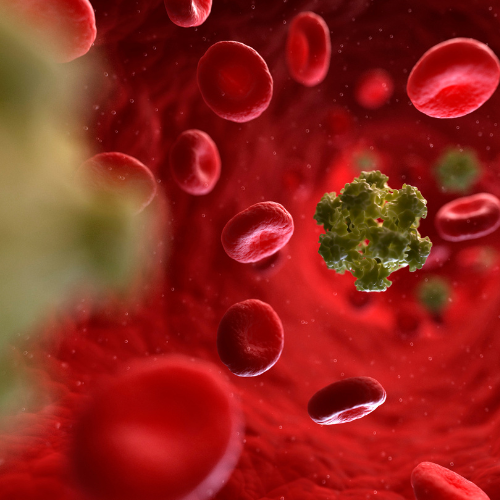
Certain infections, particularly those affecting the liver (e.g., viral hepatitis), can lead to liver inflammation and dysfunction, resulting in jaundice.
Medications and Toxins
Some medications, herbal supplements, and toxins can cause liver damage, impairing its ability to process bilirubin and leading to jaundice. Examples include acetaminophen overdose, certain antibiotics, chemotherapy drugs, and exposure to industrial chemicals.
Inherited Conditions
Certain genetic disorders affecting bilirubin metabolism or liver function can predispose individuals to jaundice. Examples include Gilbert syndrome, Crigler-Najjar syndrome, and Dubin-Johnson syndrome.
Newborn Jaundice (Neonatal Jaundice)
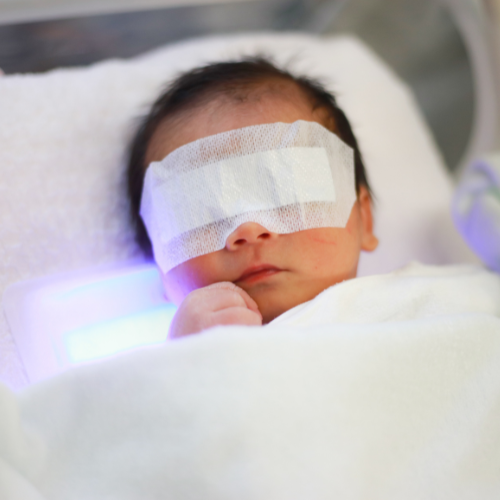
Jaundice is common in newborns due to the immaturity of their liver and the rapid breakdown of fetal red blood cells. In most cases, newborn jaundice resolves on its own without treatment. However, severe jaundice in newborns may require medical intervention.
Get An Appointment
Just make an appointment to get help from our experts