PCOD (Polycystic Ovarian Disease) is a medical condition in which the woman ovaries produce immature or partially mature eggs in large numbers and over the time these become cysts in ovaries.
What are the symptoms of PCOD?
The exact cause of PCOS is not fully understood, but it is believed to involve a combination of genetic, hormonal, and lifestyle factors. While there is no cure for PCOS, various treatments are available to manage symptoms and reduce the risk of complications.
Irregular Menstrual Periods:
People with PCOS may experience irregular menstrual cycles, which can range from absent or infrequent periods to heavy or prolonged menstrual bleeding.
Ovarian Cysts:
PCOS is associated with the presence of multiple small cysts on the ovaries. These cysts are fluid-filled sacs and are not harmful themselves but can contribute to hormone imbalances.
Hormonal Imbalances:
PCOS often involves hormonal imbalances, including elevated levels of androgens (male hormones) such as testosterone. This can lead to symptoms such as acne, hirsutism (excessive hair growth on the face, chest, or other parts of the body), and male-pattern baldness.
Insulin Resistance:
Many individuals with PCOS have insulin resistance, a condition in which the body’s cells do not respond effectively to insulin. This can lead to high levels of insulin in the blood, which may increase the risk of type 2 diabetes and contribute to weight gain.
Weight Gain and Obesity:
PCOS is often associated with weight gain and obesity, although not all individuals with PCOS are overweight. Excess weight can exacerbate insulin resistance and hormonal imbalances in PCOS.
Fertility Issues:
PCOS is a leading cause of infertility in people with ovaries. Irregular ovulation or lack of ovulation can make it difficult for individuals with PCOS to conceive.
What are the Causes of PCOS?
Polycystic Ovary Syndrome (PCOS) is a complex hormonal disorder, and its exact cause is not fully understood. However, several factors may contribute to the development of PCOS, including:
Excessive insulin release
Elevated levels of insulin within the body can trigger heightened androgen production, akin to testosterone, a hormone typically found at minimal levels in females. This surge in androgen levels may disrupt the ovulation process.
Excessive androgen production
Abnormal overproduction of androgen hormones by the ovaries can result in acne and hirsutism, characterized by unwanted hair growth on the face and body.
low-level inflammation
According to recent research, women diagnosed with PCOS exhibit a state of low-grade inflammation, contributing to elevated androgen levels. This hormonal imbalance poses a potential risk for cardiovascular issues, including blood vessel and heart complications.
Home remedies for PCOD / PCOS
Polycystic Ovary Syndrome (PCOS) is a complex hormonal disorder, and its exact cause is not fully understood. However, several factors may contribute to the development of PCOS, including:
Consistent physical activity
For individuals with PCOD or PCOS, engaging in frequent physical activity and adopting an active lifestyle can assist in managing blood sugar levels and maintaining a healthy weight.
Keeping body weight in check
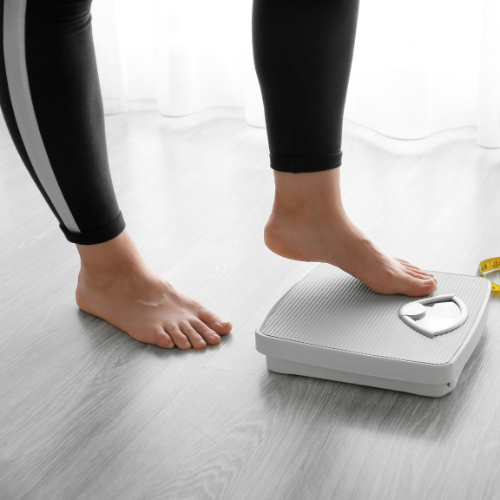
BMI (body mass index) ranges from 18.5 – 24.9 considered as ideal and healthy for females, above than 30 considered as obese and not healthy. Maintaining healthy body weight or weight loss help in improving overall body cholesterol levels, reduce the risk of high blood pressure, heart disease, diabetes, maintaining ideal insulin levels and androgen levels that also restore ovulation phase in the menstrual cycle. Consult a dietitian for weight-loss pragramme to reach within a healthy BMI.
Limiting carbohydrate's consumption
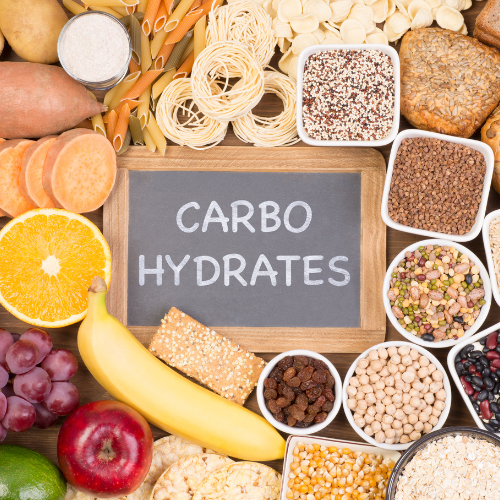
If diagnosed with PCOD or PCOS, consider adhering to a diet low in carbs or rich in complex carbohydrates, which aids in regulating insulin levels. Incorporate fish, poultry, eggs, leafy greens, and healthy fats from sources such as nuts and seeds. Conversely, steer clear of sugary items and starchy fare such as potatoes, bread, rice, pasta, and legumes.
Get An Appointment
Just make an appointment to get help from our experts