

What is Kidney?
A kidney is one of the vital organs in the human body responsible for filtering waste products and excess substances, such as water and electrolytes, from the blood to form urine. Humans typically have two kidneys, situated on either side of the spine, just below the rib cage.
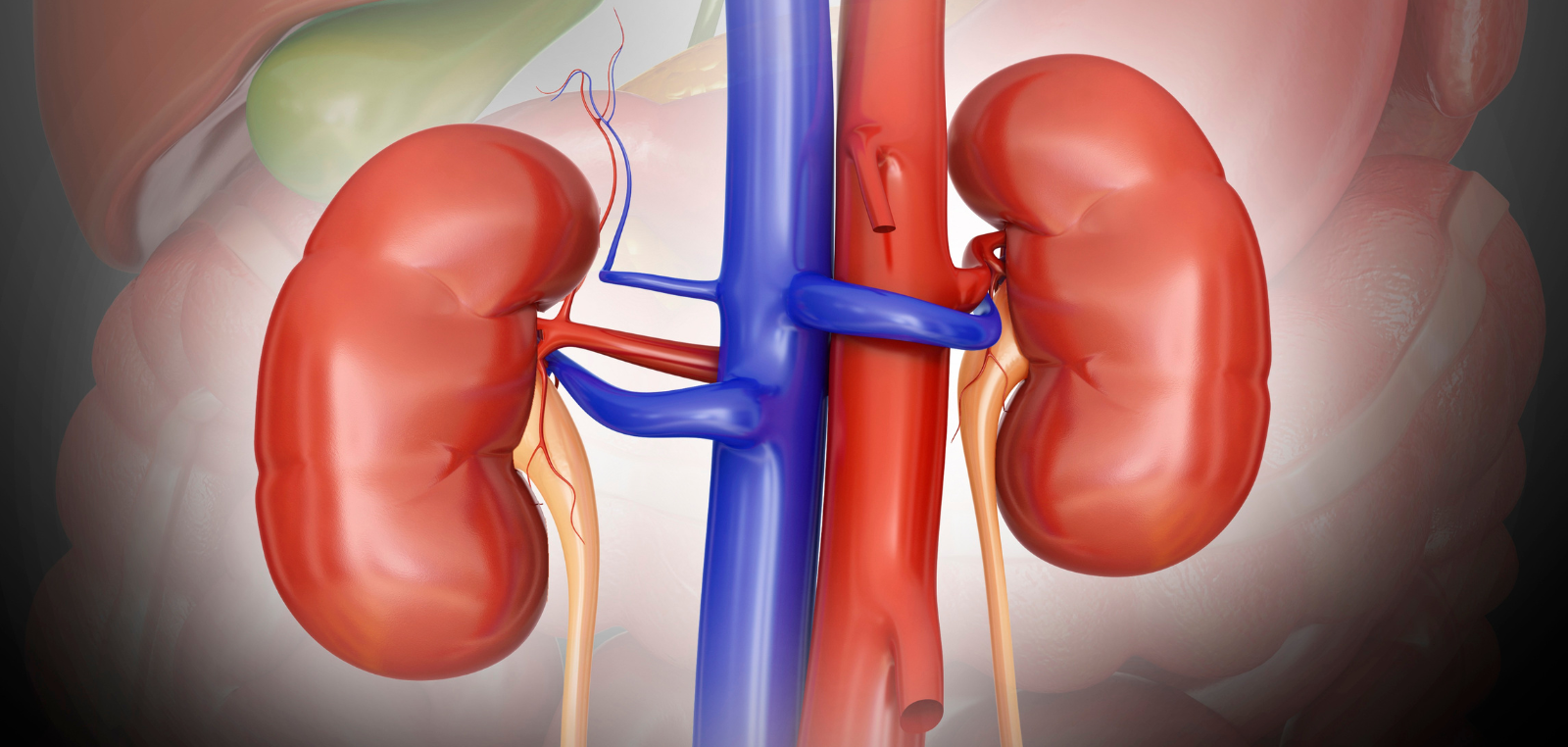
The primary functions of the kidneys:
- Filtration: The kidneys filter waste and toxins from the blood, removing them from the body through urine.
- Regulation of fluid balance: They help regulate the body’s fluid balance by adjusting the amount of water excreted in urine.
- Electrolyte balance: The kidneys regulate the levels of electrolytes (such as sodium, potassium, and calcium) in the body to maintain proper function of cells and organs.
- Blood pressure regulation: The kidneys play a crucial role in regulating blood pressure by adjusting the volume of blood and the concentration of certain substances in the blood.
- Production of hormones: The kidneys produce hormones involved in the regulation of blood pressure (renin), red blood cell production (erythropoietin), and calcium metabolism (calcitriol).
Healthy kidneys are essential for overall well-being, and any impairment in their function can lead to various health problems, including kidney disease, which can range from mild to severe and may require medical intervention such as medication, dialysis, or kidney transplant.
What Are Kidney Diseases?
Kidney diseases, also known as renal diseases or nephropathies, encompass a wide range of conditions that affect the kidneys’ structure and function. These diseases can affect one or both kidneys and may vary in severity from mild to life-threatening. Some common types of kidney diseases include:
Chronic Kidney Disease (CKD):
This is a progressive condition characterized by the gradual loss of kidney function over time. CKD can result from various underlying causes, such as diabetes, high blood pressure, glomerulonephritis, and polycystic kidney disease.
Acute Kidney Injury (AKI):
AKI, also known as acute renal failure, occurs suddenly and is often reversible if promptly treated. It can be caused by factors such as severe dehydration, decreased blood flow to the kidneys, infections, medications, or toxins.
Glomerulonephritis:
This refers to inflammation of the glomeruli, which are tiny structures in the kidneys responsible for filtering blood. Glomerulonephritis can be acute or chronic and may result from infections, autoimmune diseases, or other underlying conditions.
Polycystic Kidney Disease (PKD):
PKD is a genetic disorder characterized by the growth of numerous fluid-filled cysts in the kidneys. Over time, these cysts can impair kidney function and lead to complications such as high blood pressure, kidney stones, and kidney failure.
Kidney Stones:
Kidney stones are hard deposits of minerals and salts that form in the kidneys and can cause severe pain when they pass through the urinary tract. They may result from various factors, including dehydration, certain medical conditions, or dietary factors.
Urinary Tract Infections (UTIs):
While not exclusively kidney diseases, UTIs can affect the kidneys if left untreated, leading to complications such as kidney infection (pyelonephritis). UTIs are caused by bacteria entering the urinary tract and can affect the bladder, urethra, and kidneys.
Kidney Cancer:
Renal cell carcinoma is the most common type of kidney cancer, which originates in the cells of the kidney tubules. Early detection and treatment are crucial for managing kidney cancer effectively.
What Are the symptoms of Kidney Disease?
Symptoms of kidney disease can vary depending on the type and severity of the condition. In the early stages, kidney disease may not cause noticeable symptoms, and it may only be detected through routine blood or urine tests:
Changes in Urination:
- Increased frequency of urination, especially at night (nocturia)
- Decreased urine output
- Difficulty urinating
- Blood in the urine (hematuria)
- Foamy or bubbly urine
Swelling (Edema):
- Swelling in the legs, ankles, feet, or hands (edema), due to fluid retention caused by impaired kidney function
Fatigue and Weakness:
- Feeling tired or fatigued, even with adequate rest
- Weakness
Shortness of Breath:
- Difficulty breathing, especially during physical activity or when lying down flat (orthopnea), due to fluid buildup in the lungs (pulmonary edema)
Nausea and Vomiting:
- Nausea
- Vomiting
Persistent Itching:
- Persistent itching, often accompanied by dry skin
Muscle Cramps and Pain:
- Muscle cramps
- Pain in the back or sides (flank pain), where the kidneys are located
High Blood Pressure (Hypertension):
- High blood pressure, which may develop or worsen as kidney function declines
Changes in Taste or Metallic Taste in Mouth:
- Changes in taste perception
- Metallic taste in the mouth
How ayurveda helps to cure?
Ayurveda, an ancient system of medicine originating from India, offers holistic approaches to health and well-being, including the management and treatment of kidney diseases.
Dietary and Lifestyle Modifications:
Ayurveda emphasizes the importance of maintaining a balanced diet and lifestyle to support kidney health. This may include dietary recommendations tailored to the individual’s constitution (dosha), incorporating foods that are nourishing and supportive to the kidneys while avoiding those that may aggravate the condition. Lifestyle modifications such as stress reduction techniques, adequate hydration, regular exercise, and adequate rest are also emphasized.
Herbal Remedies:
Ayurvedic herbs are commonly used to support kidney function and manage various kidney conditions. Some herbs believed to have nephroprotective properties include Punarnava (Boerhavia diffusa), Gokshura (Tribulus terrestris), Varuna (Crataeva nurvala), and Shilajit (mineral pitch). These herbs may help to reduce inflammation, improve kidney function, and promote overall kidney health.
Detoxification Therapies:
Ayurveda employs various detoxification therapies known as Panchakarma to eliminate toxins and impurities from the body, which may benefit individuals with kidney diseases. Panchakarma therapies such as Basti (enema therapy) and Virechana (therapeutic purgation) are believed to support kidney function by removing accumulated waste products and restoring balance to the body.
Yoga and Pranayama:
Yoga and pranayama (breathing exercises) are integral components of Ayurveda that can help promote overall health and well-being, including kidney health. Certain yoga asanas (postures) and pranayama techniques may improve circulation, reduce stress, and support kidney function.
Ayurvedic Medications:
Ayurvedic practitioners may prescribe specific herbal formulations and medications tailored to the individual’s unique constitution and the nature of their kidney condition. These formulations may include herbal preparations known as rasayanas, which are believed to rejuvenate and nourish the kidneys.
Get An
Appointment